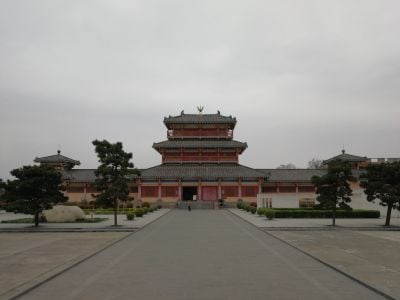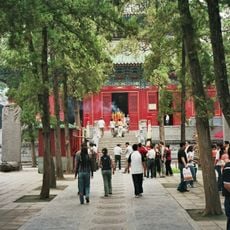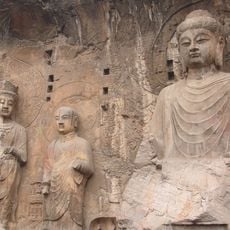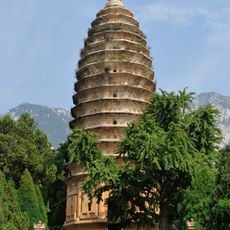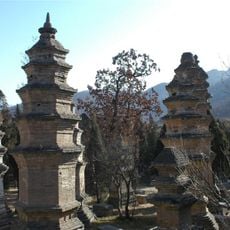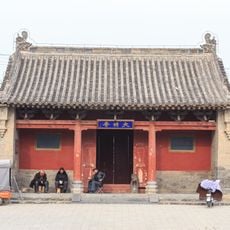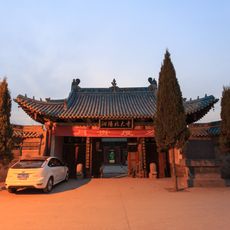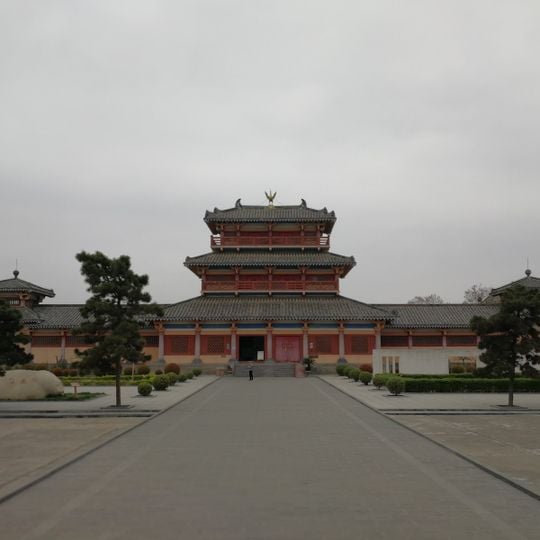
Luoyang Ancient Tombs Museum, History museum and mausoleum on Mang Hill, Luoyang, China.
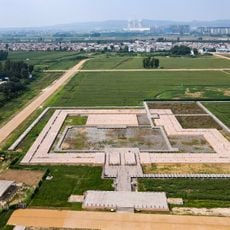
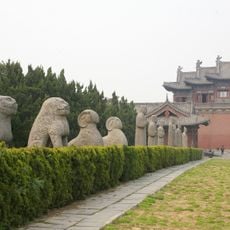
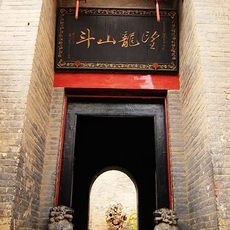
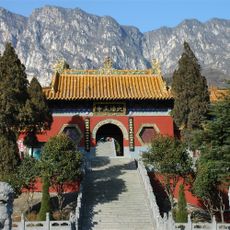
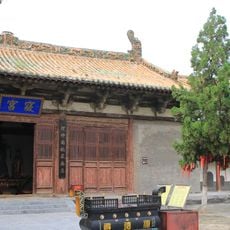
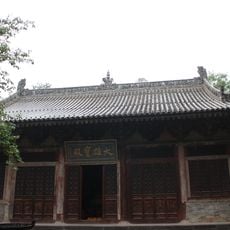
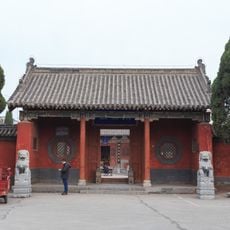
The Luoyang Ancient Tombs Museum stands on Mang Hill, about 10 km north of Luoyang, on a site of 3 hectares. Its above-ground part has a Han-style gate and several halls; the underground part lies about 7 metres down and holds 22 tombs from Henan, arranged in halls for the Wei and Jin, the Western and Eastern Han, and the Tang and Song dynasties. The tomb of Emperor Xuanwu of Northern Wei (483–515) forms a separate section.
Construction of the museum began in 1984, and it opened in 1987 as the world's first museum devoted to ancient tombs. In 1993, with State Council approval, the museum and the Institute of Archaeology of the Chinese Academy of Social Sciences conducted a rescue excavation of the Jingling tomb of Emperor Xuanwu of Northern Wei. In 2006, Jingling was included in the Mangshan Tombs group and listed as a National Key Cultural Relic Protection Unit (sixth batch).
The halls display burial items that show how different social groups in China honored their deceased. Visitors can observe how these customs changed across the centuries.
Access is from the north side, roughly 10 kilometers from central Luoyang. Plan enough time to explore both the above-ground and underground sections, as the buried chambers require walking down into deeper levels.
The underground tomb group lies about 7 metres below ground and holds 22 tombs relocated from across Henan, arranged in three halls by era: Western and Eastern Han, Wei and Jin, and Tang and Song. The tomb of Emperor Xuanwu of Northern Wei (483–515), excavated in 1993, forms the separate Jingling imperial tomb section on the western side.
The community of curious travelers
AroundUs brings together thousands of curated places, local tips, and hidden gems, enriched daily by 95,093 contributors worldwide.