Ruhr, Metropolitan area in North Rhine-Westphalia, Germany
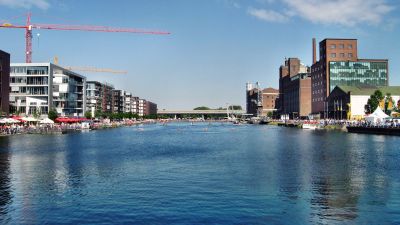
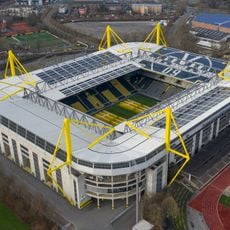
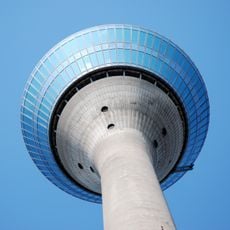
The Ruhr is a conurbation in western Germany where cities like Dortmund, Essen, Duisburg and Bochum blend into one another. Individual towns are connected by parks, industrial wastelands and rail lines, with no clear boundaries visible between them.
During the 19th century, coal mining and steel production turned the region into Germany's industrial heartland. After heavy industry declined in the 1960s, the shift toward services and education began reshaping local economies.
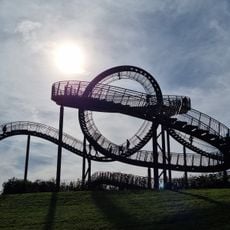
Industrial heritage shapes how people spend their free time, with former rail lines turned into running paths and converted factories hosting open-air concerts. Theaters and pubs are linked across city boundaries, giving daily life a communal rhythm that crosses municipal lines.
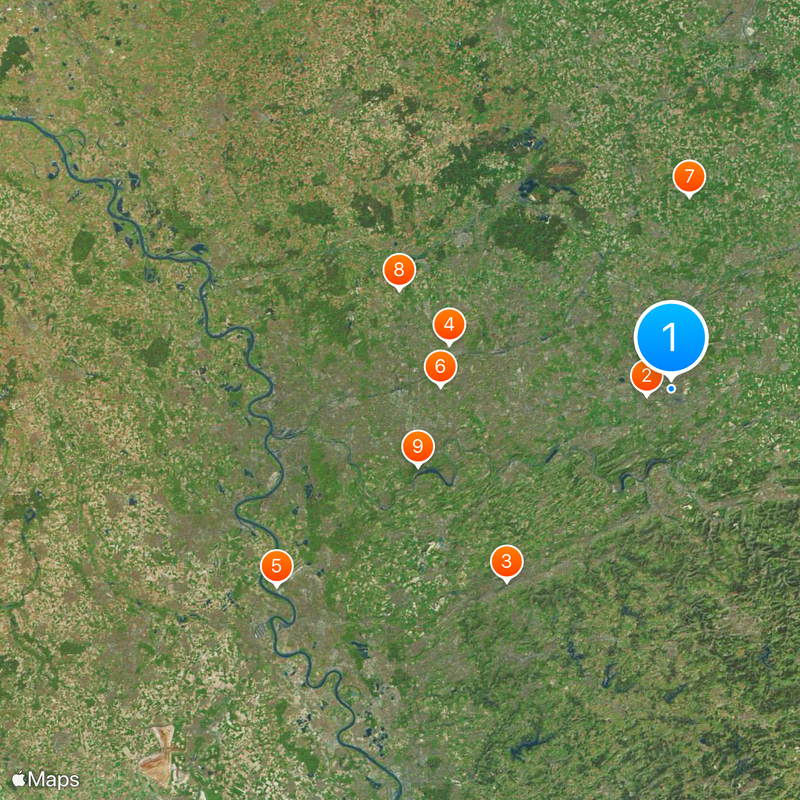
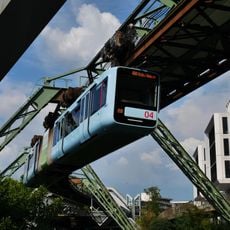
Public transport connects the cities with commuter trains, regional trains and trams, with fares valid across the region. A regional map helps with orientation, as town signs are often missing and settlements flow seamlessly into each other.
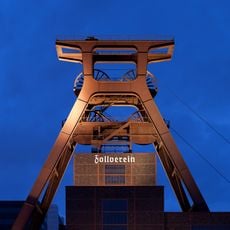
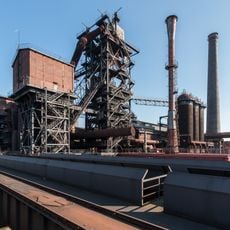
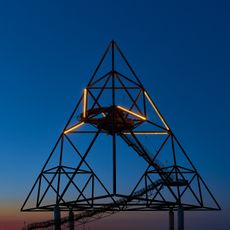
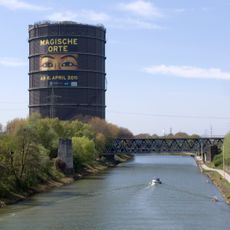
Old mining towers and blast furnaces often stand in the middle of residential areas or next to shopping streets, giving the cityscape an unmistakable character. Some former coal mines have viewing platforms where you can see how the settlements have grown together.
The community of curious travelers
AroundUs brings together thousands of curated places, local tips, and hidden gems, enriched daily by 92,351 contributors worldwide.