Mou-lang, Chinese village in Bergpark Wilhelmshöhe, Germany
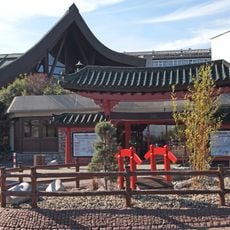
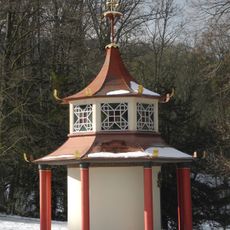
Mou-lang is a preserved Chinese-style village with thirteen remaining structures, including a pagoda, situated along the southeastern edge of Bergpark Wilhelmshöhe near Mulangstraße. The buildings display wooden construction, straw roofing, and details that reflect Far Eastern architectural elements.
Landgraf Friedrich II established Mou-lang in 1781 as a garden complex with Chinese elements, inspired by William Chambers' theoretical works on Asian landscape design. The project was part of the Enlightenment's effort to explore foreign cultures through architectural experimentation.
The place reflects European fascination with Chinese aesthetics during the Rococo period, visible in wooden houses with straw roofs and metal ornaments. This building style shows how the landgraf tried to bring exotic architecture into his own territory and express a different understanding of beauty and garden design.
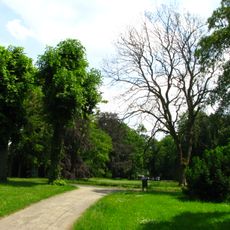
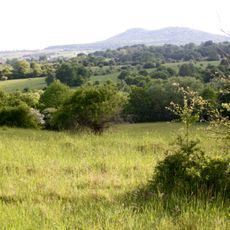
The houses line a footpath through the park but not all are easily visible, as some are obscured by vegetation. The best approach is to walk leisurely along Mulangstraße and explore the structures that appear between the trees.
A stream named Kiang once flowed through the site and connected to the Styx river as part of the park's artistic water design. This carefully composed waterway was meant to create a miniaturized landscape with symbolic naming.
The community of curious travelers
AroundUs brings together thousands of curated places, local tips, and hidden gems, enriched daily by 92,085 contributors worldwide.