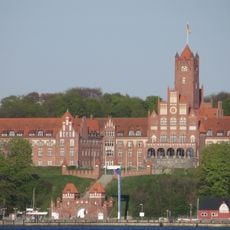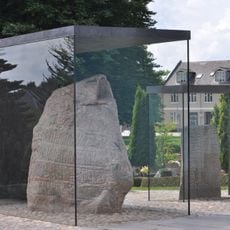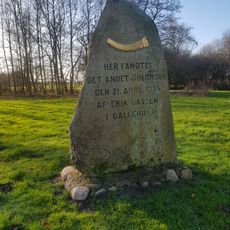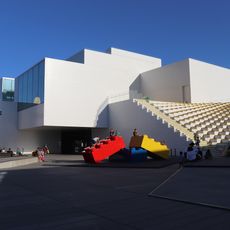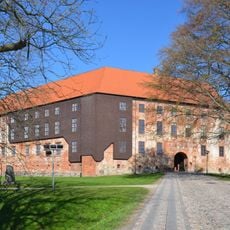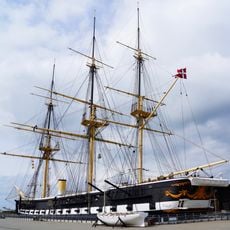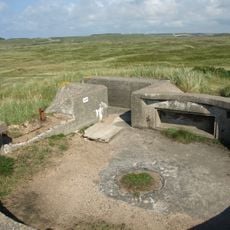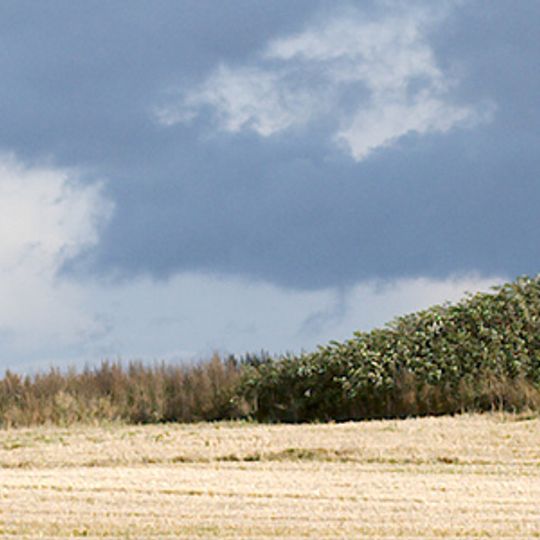
Jutland, Peninsula in Northern Europe, Denmark.
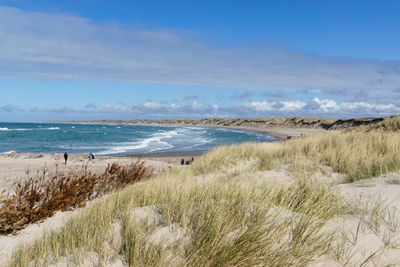
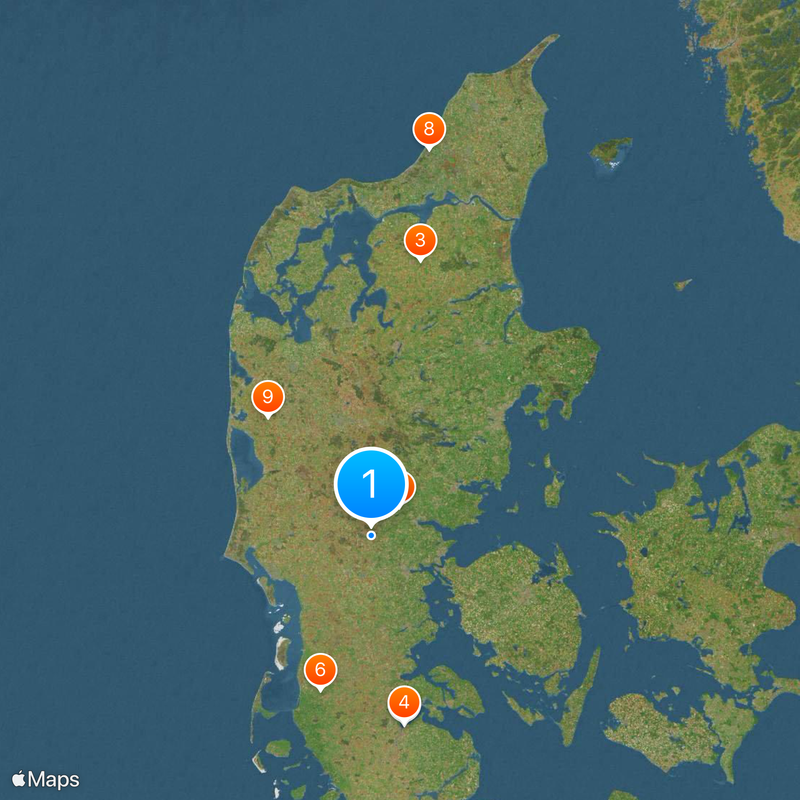
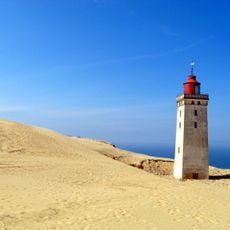
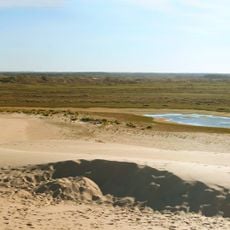
Jutland forms the continental portion of Denmark, stretching north from the German border and separating two major seas. The western coastline features low dunes and sandy beaches, while the eastern side shows rolling hills and woodland patches.
The peninsula takes its name from the Jutes, a Germanic tribe who settled here during the fifth century. A North Sea storm in 1825 severed the northern tip from the rest, forming the North Jutlandic Island through the Limfjord breach.
Local names and place designations still carry traces of the Jutes, the ancient Germanic people who gave this land its identity. In rural communities, older residents speak with regional accents that set them apart from Copenhagen speech patterns.
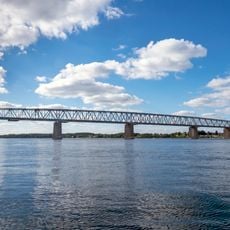
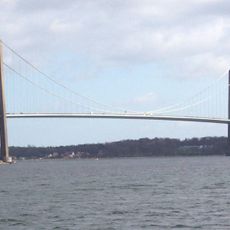
Two bridges link the mainland to Funen island: the Old Little Belt Bridge carries trains, while the New Little Belt Bridge handles road traffic. The west coast tends to be windier and cooler, while the eastern side offers more shelter and milder weather.
The North Sea storm of 1825 broke through the land and created a permanent waterway that now turns the northern section into an island. This natural breach reshaped the geography for good and still influences transport routes and settlement patterns today.
The community of curious travelers
AroundUs brings together thousands of curated places, local tips, and hidden gems, enriched daily by 92,529 contributors worldwide.