Lolland, Danish island in Baltic Sea, Denmark
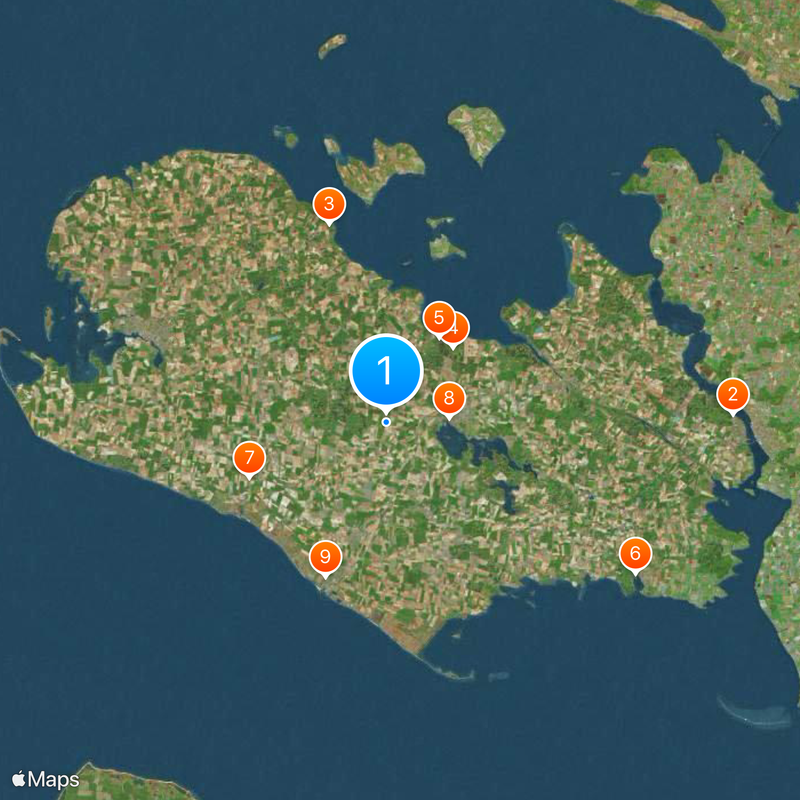
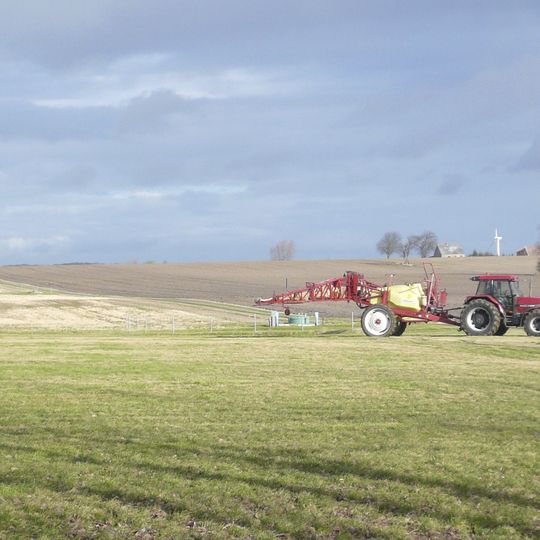
Lolland is an island in the Baltic Sea covering approximately 1,243 square kilometers, characterized by long sandy beaches, wide agricultural fields, and forested areas. These landscapes are connected by numerous cycling and walking paths that run throughout the island.
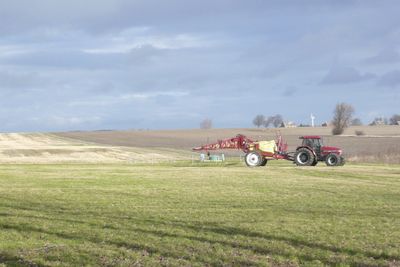
The island formed through glacial processes that shaped its flat terrain, which later became ideal for farming. Sugar beet cultivation became the foundation of economic life, defining the region's landscape and development for generations.
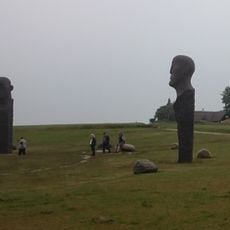
Dodekalitten displays stone sculptures with musical elements, creating an outdoor art installation that blends visual and auditory experiences. The site shapes how visitors and locals engage with contemporary creativity in the region.
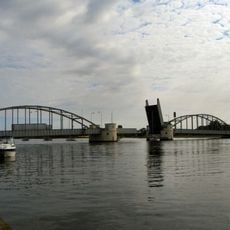
The island is connected to Germany by ferry and to neighboring islands by bridges, providing direct access to Copenhagen. Cycling or driving is recommended to reach the scattered beaches and rural areas across the landscape.
The highest point near Horslunde village reaches only about 25 meters above sea level, making it Denmark's flattest major island. This extreme flatness creates a distinctive landscape dominated by water, sky, and endless horizons.
The community of curious travelers
AroundUs brings together thousands of curated places, local tips, and hidden gems, enriched daily by 92,657 contributors worldwide.