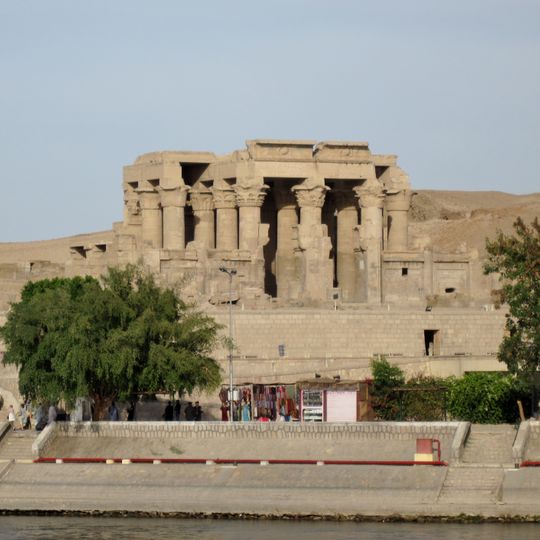
Upper Egypt, Geographic region in southern Egypt
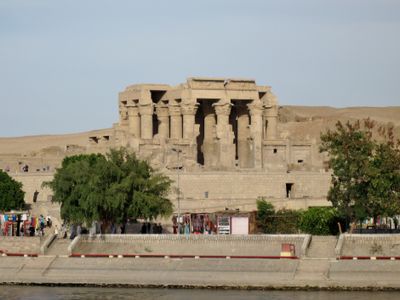
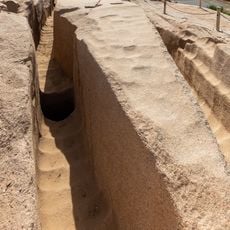
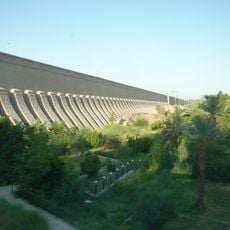
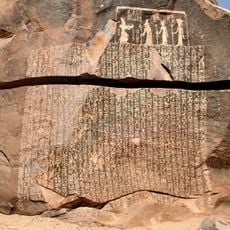
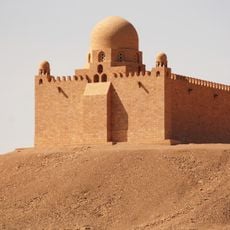
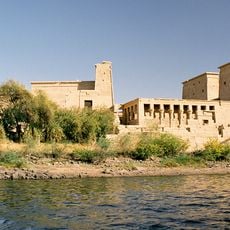
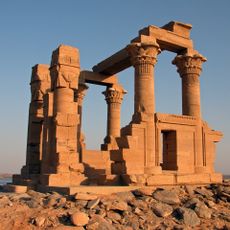
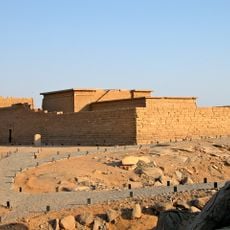
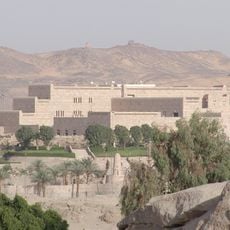
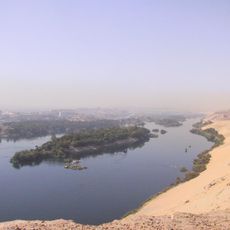
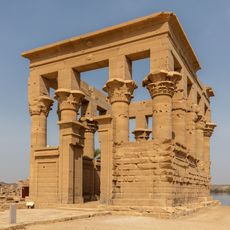
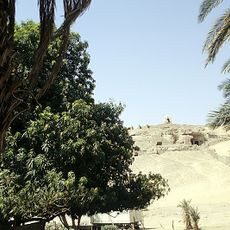
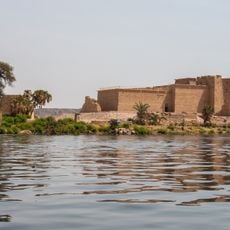
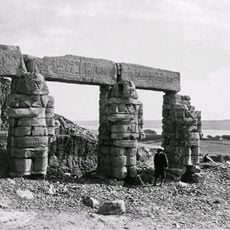
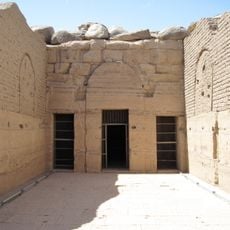
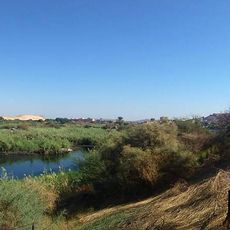
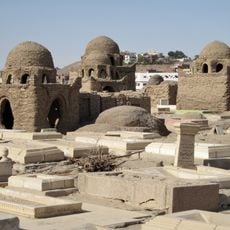
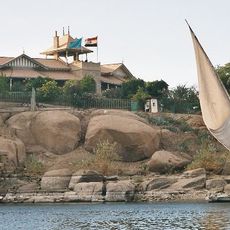
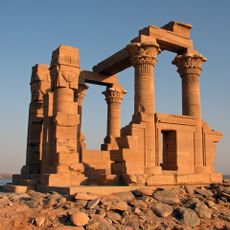
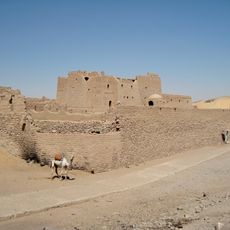
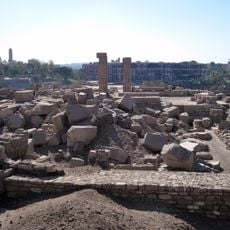
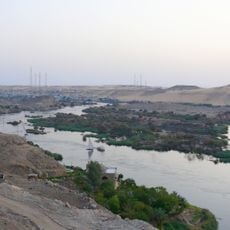
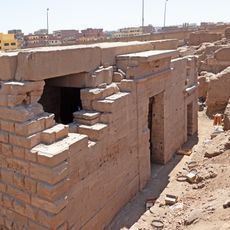
Upper Egypt stretches along the Nile valley from Cairo to Aswan with a narrow band of fertile land bordered by desert. The region contains ancient sites, river banks with palm trees, and settlements built around water access.
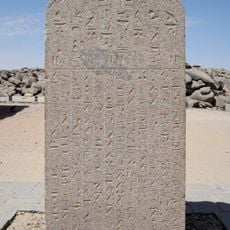
The region formed a separate political unit until around 3000 BCE when King Menes unified it with Lower Egypt and established the first Egyptian dynasty. This merger marked the start of pharaonic rule and numerous dynasties that lasted many centuries.
Locals maintain traditions in music, dance, and storytelling that differ from northern practices. These customs shape daily community life in villages and towns throughout the region.
Visiting requires careful planning, especially during hot summer months when temperatures reach extreme levels. Access is good to sites along the Nile, while desert areas between settlements remain isolated.
Genetic evidence shows connections between inhabitants and populations from the Sahara and sub-Saharan regions. These biological findings reveal complex migration patterns from ancient times that illustrate broader African networks.
The community of curious travelers
AroundUs brings together thousands of curated places, local tips, and hidden gems, enriched daily by 92,134 contributors worldwide.