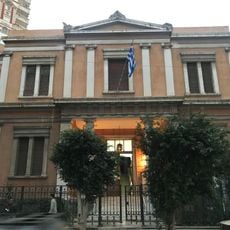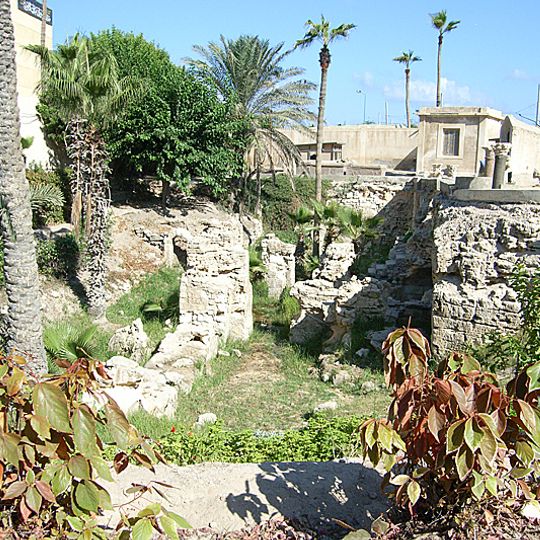
Necropolis of al-Anfushi, Ancient Greek burial ground in Alexandria, Egypt.
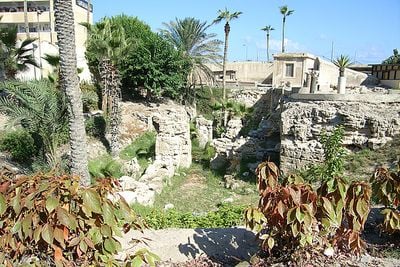
The necropolis of al-Anfushi contains five rock-cut tombs with open courtyards and burial chambers that date to the Ptolemaic period. The design incorporates both Egyptian and Greek elements, including a notable pink granite sarcophagus in the third tomb decorated with geometric patterns in multiple colors.
This burial site dates to the 2nd and 3rd centuries BC, when Alexandria was a major center of the Hellenistic world and Greek culture flourished. The tombs were discovered between 1901 and 1921 and reveal how the city at that time brought together two cultural traditions.
The tombs blend Egyptian and Greek artistic traditions in their painted walls, where gods like Anubis and Osiris appear alongside classical decorations. This mixture shows how two cultures existed side by side in Alexandria.
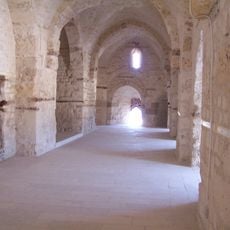
Visiting the tombs requires descending stairs into the underground chambers, so comfortable footwear is advisable. The painted walls inside are best viewed in good light, particularly in the deeper chambers where natural light is limited.
The wall decorations contain geometric shapes such as squares, diamonds, and octagons in successive color combinations beyond typical deity scenes. These patterns cover large wall surfaces and show a sophisticated understanding of decorative proportions.
The community of curious travelers
AroundUs brings together thousands of curated places, local tips, and hidden gems, enriched daily by 91,663 contributors worldwide.