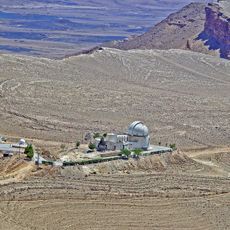
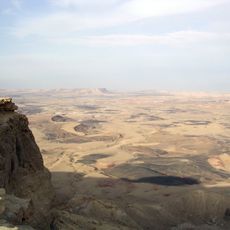
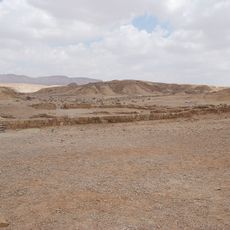
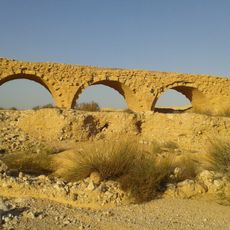
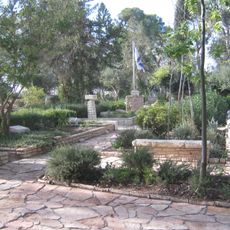
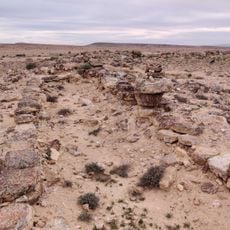
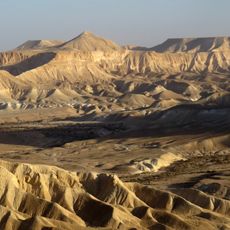
Tell el-Qudeirat, Archaeological site and spring in Sinai Peninsula, Egypt.
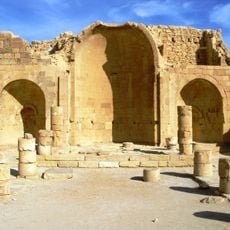
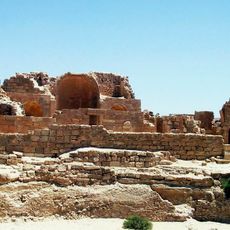
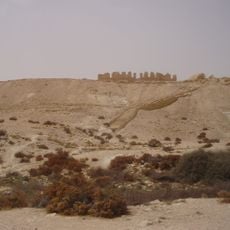
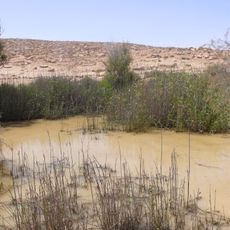
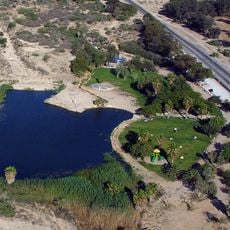
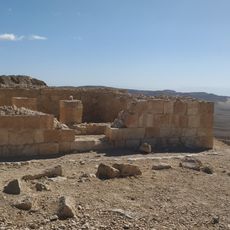
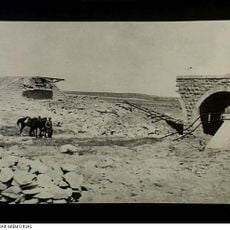
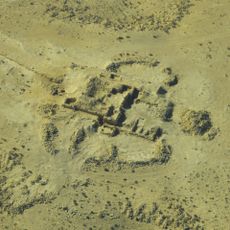
Tell el-Qudeirat is an archaeological mound with a rectangular fortress structure showing multiple defensive layers. The site developed around a natural spring that flows westward into Wadi el-Qudeirat and supplied water to the entire settlement.
Human settlement at this location dates back to the 12th through 10th centuries BCE, when people first discovered the oasis. The site was rebuilt and fortified through three distinct periods before being abandoned following Babylonian conquest.
The name refers to the hill of the spring, reflecting how water shaped life at this location. Visitors today can observe how the natural spring determined settlement patterns and drew communities across many centuries.
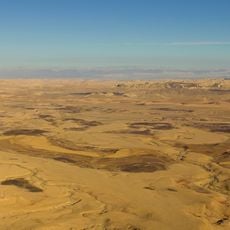
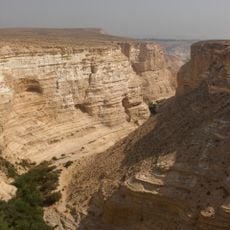
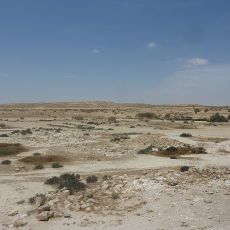
The location sits roughly 8 kilometers east of Quseima village on the northern bank of a wadi at the base of Jebel el-Qudeirat. Visitors should wear comfortable shoes and prepare for dry desert terrain where shade is scarce.
The spring here is the most productive oasis in northern Sinai, making continuous human settlement possible in this otherwise barren region. This water source was valuable enough that different cultures repeatedly rebuilt and defended the same location across many centuries.
The community of curious travelers
AroundUs brings together thousands of curated places, local tips, and hidden gems, enriched daily by 91,839 contributors worldwide.