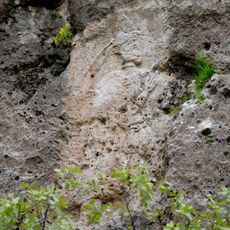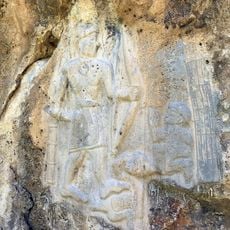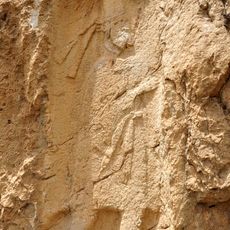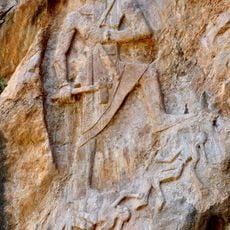
Hazar Merd Cave, Archaeological cave site in Sulaymaniyah Governorate, Iraq.
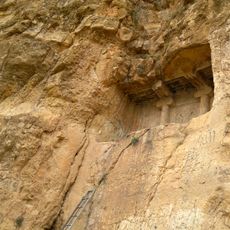
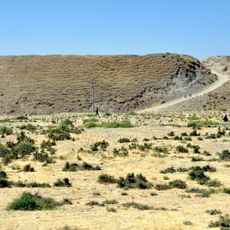
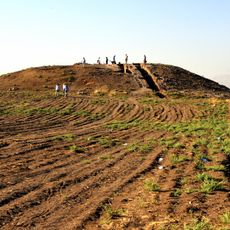
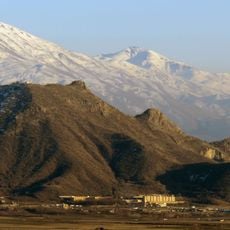
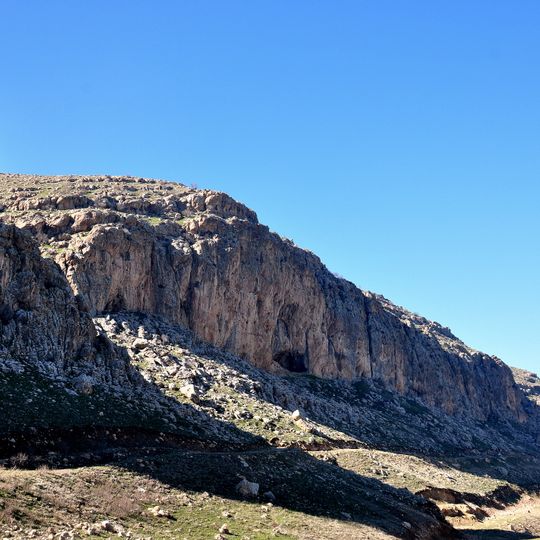
Hazar Merd Cave is an archaeological site set in the mountains near Sulaymaniyah, in northern Iraq, made up of several connected chambers carved into the rock. The main chamber opens wide enough to walk through, while a second chamber called Ashkawty Tarik extends further into the hillside.
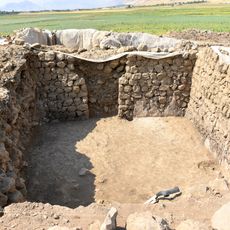
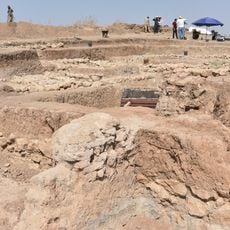
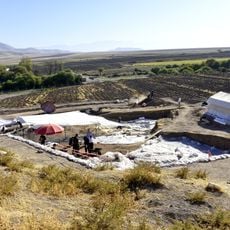
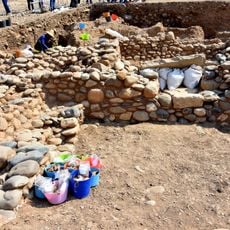
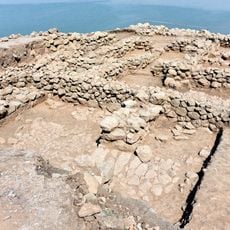
The site was excavated in 1928 by British archaeologist Dorothy Garrod, who found stone tools and artifacts from the Middle and Epi-Paleolithic periods. Her work here was part of a broader effort to understand early human occupation across the region.
The cave's name in Kurdish roughly means "a thousand men", possibly referring to the number of people who once sheltered there. Visitors can still see faint marks on the rock surfaces that hint at long-term human presence.
Reaching the cave requires a short climb over rocky ground from the nearest parking area, so sturdy shoes are a good idea. The interior receives little natural light, so bringing a torch will make exploring the chambers much easier.
Among the finds recovered during excavation were bones from wild goats, red deer, and gazelles, giving a clear picture of what animals once roamed nearby. This makes the site one of the few places in the region where you can trace both human habits and local wildlife from the same period.
The community of curious travelers
AroundUs brings together thousands of curated places, local tips, and hidden gems, enriched daily by 92,649 contributors worldwide.