Kirkuk Citadel, Ancient fortress in Kirkuk, Iraq
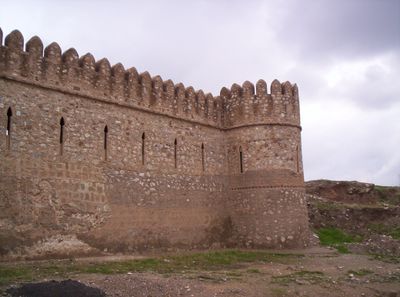
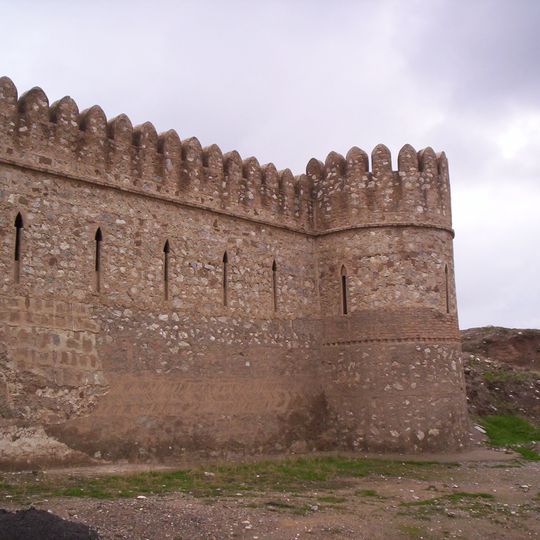
Kirkuk Citadel is a fortress on a 40-metre tell above the Khasa River in central Kirkuk. Its surviving Ottoman-era walls are built of rough stone with a band of flat brickwork and topped by pointed battlements; narrow arrow slits pierce the wall and a rounded corner tower. Most of the citadel was demolished, but mosques, tombs and houses remain.
The fortress was established thousands of years ago and went through periods of control under different empires including the Assyrians, Seleucids, and Ottomans. Each ruling power left its mark through various alterations and additions to the defenses.
The fortification holds several religious sites that draw people from different faiths to visit and pray. You can find old churches and venerated places within its walls that remain meaningful to the local community.
The site can be accessed through two main gateways at different points along the perimeter. Before visiting, check local conditions and openings times, as regional security and political developments can affect accessibility.
The 72-tower rampart with 72 streets and two entrances was built by Seleucus I Nicator, not part of the citadel's own layout. The so-called Red Church preserves mosaics from before the 7th-century Islamic conquest. In 1923, 51 clay tablets found nearby pushed the site's history back to at least the 2nd millennium BC.
The community of curious travelers
AroundUs brings together thousands of curated places, local tips, and hidden gems, enriched daily by 92,648 contributors worldwide.