Arrapha, Archaeological site in Kirkuk, Iraq
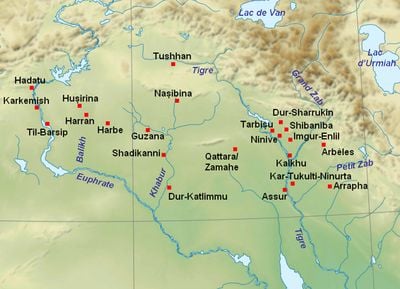
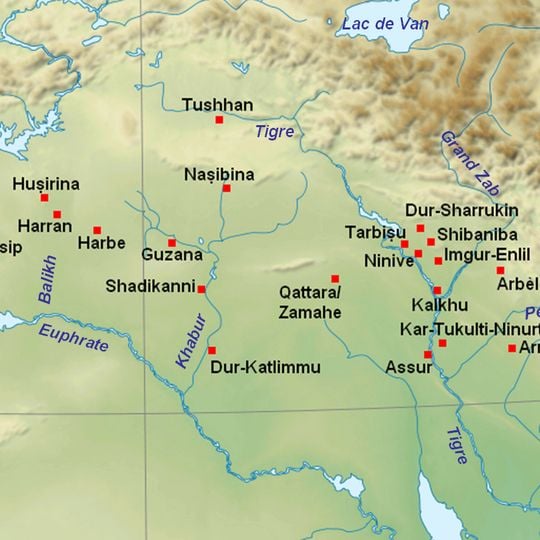
Arrapha is an ancient city, speculated to lie beneath modern Kirkuk, that has not been excavated. The only visible trace is a small red square marker on a pale map near the river line, with a short black label cut off at the edge. No walls, buildings or citadel are exposed.
The site began in the Bronze Age and saw occupation by successive empires. Under the Middle Assyrian period from 1365 to 1050 BC, it became important after Assyrian forces conquered the kingdom of Mitanni.
The Hurrian name of the city is explained as ari-na-he-we, "city belonging to the givers", while Akkadian texts call it Al-ilani, "city of the gods". Knowledge of Arrapha comes largely from archives kept by scribes who fled Babylonia and were found at Nuzi. Its kings, among them Itḫi-Tešup and Kipi-Tešup, held limited power, mainly as military commanders, while farming families formed large clans, some specialising in crafts.
The site lies buried beneath the modern city and is difficult for visitors to access. Security concerns in the region currently make visits nearly impossible, and excavation work is limited.
Arrapha has never been excavated because it lies beneath modern Kirkuk. Knowledge of the city comes instead from royal and private archives found at Nuzi, written by scribes who had fled Babylonia, which record its Hurrian kings such as Itḫi-Tešup and its large family communities.
The community of curious travelers
AroundUs brings together thousands of curated places, local tips, and hidden gems, enriched daily by 92,609 contributors worldwide.