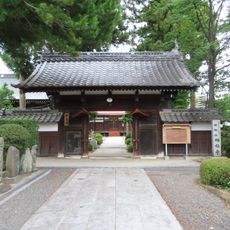
Hiraide ruins, Archaeological site in Sōga, Japan
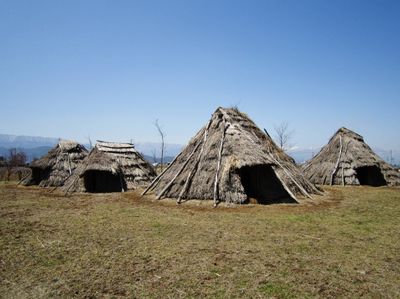
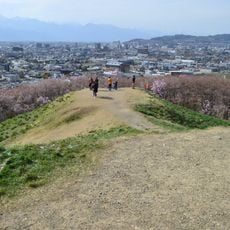
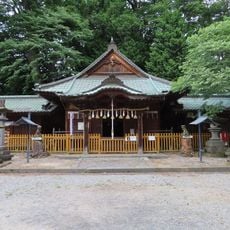
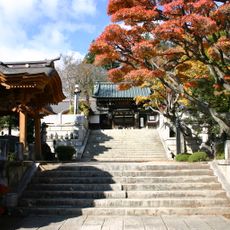
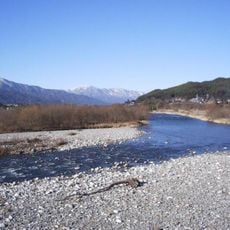
The Hiraide ruins are an archaeological site in the Matsumoto Plain along the Shibukawa River, containing remains from several millennia of settlement. The grounds display layers of different occupation phases with house foundations, burial mounds, and preserved structures spanning distinct historical periods.
The site was first settled during the Jomon period around 5000 BCE and remained in use through the Kofun and Nara eras. Its continuous occupation over millennia shows the long-term importance of this location for successive communities.
Excavations revealed 20,000 artifacts including decorated Jomon pottery, iron tools, clay figurines, and standing stones that reflect ancient Japanese practices.
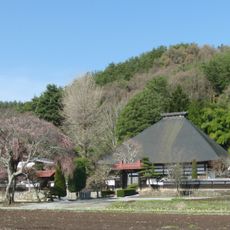
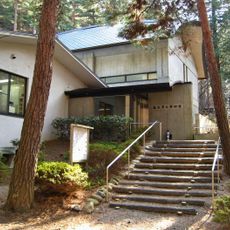
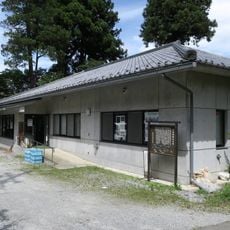
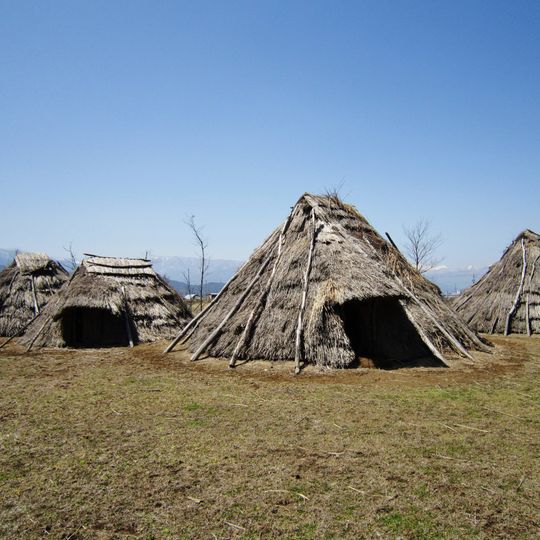
The grounds are organized as an archaeological park with an attached museum that displays recovered artifacts and explains excavation findings. You can visit a selection of reconstructed dwellings and see the different settlement layers, which helps understand how the site developed over the centuries.
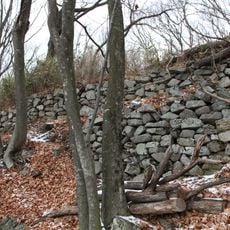
Among the many house foundations, several contain multiple hearths from the Kofun period, suggesting individual dwellings were home to more than one family group. A surviving tower of stacked roof tiles from the Nara period stands as a rare example of a structured stone element on the grounds.
The community of curious travelers
AroundUs brings together thousands of curated places, local tips, and hidden gems, enriched daily by 91,587 contributors worldwide.