Shōkō-ji, Shingon Buddhist temple in Okaya, Japan
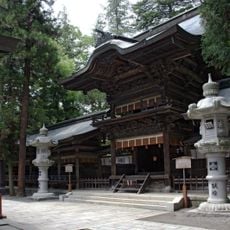
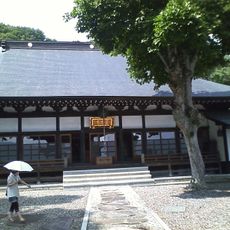
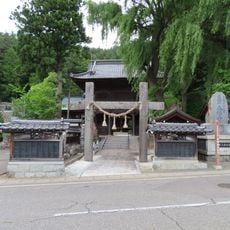
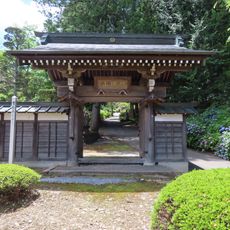
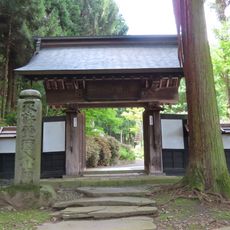
Shōkō-ji is a Shingon Chizan school temple in Honchō, Okaya, with the mountain name Jōkōzan. Its main hall was built in 1792 by the Ōsumi-school shrine carpenter Shibamiya Norishige. The grounds hold a bell tower, mountain gate, kitchen quarters, a Yakushi hall, a founding hall and a Kishimojin hall.
Shōkō-ji's founding date is unknown, though it is thought to have existed by the Heian period. In 1452 it became a branch temple of the Jingū-ji of Suwa Taisha's lower shrine, Akimiya, and flourished with twelve monks' quarters before wars and fires reduced it. The present hall was built in 1792 by the Ōsumi-school carpenter Shibamiya Norishige.
Shōkō-ji belongs to the Chisan branch of Shingon Buddhism, not Zen, and is the 11th stop on the Chūbu Forty-Nine Yakushi pilgrimage. Its mountain name is Jōkōzan. The abbot is the Buddhist scholar Miyasaka Yūkō; his father, Miyasaka Yūshō (1921–2011), a Nagoya University professor emeritus, headed the Chisan school from Chishaku-in.
Shōkō-ji is about a ten-minute walk from Okaya Station on the JR East Chūō Main Line. The grounds hold the main hall, bell tower, mountain gate, kitchen quarters, Yakushi hall, founder's hall and Kishimojin hall, so allow time to walk between them.
The temple holds a seated Dainichi Nyorai statue with a 1713 ink inscription on its base, a Nagano Prefectural Treasure. Its main hall, the 1792 work of Ōsumi-school carpenter Shibamiya Norishige, is an Okaya City Cultural Property. The temple is also the 11th stop on the Chūbu Forty-Nine Yakushi pilgrimage.
The community of curious travelers
AroundUs brings together thousands of curated places, local tips, and hidden gems, enriched daily by 95,352 contributors worldwide.