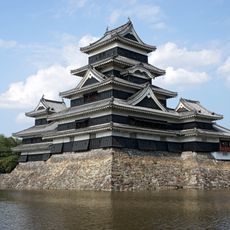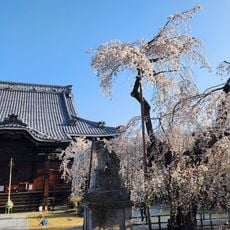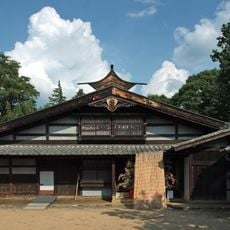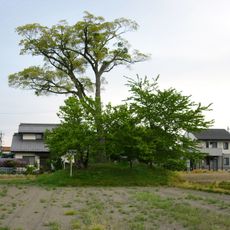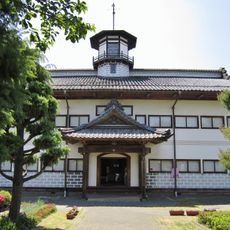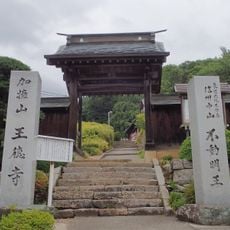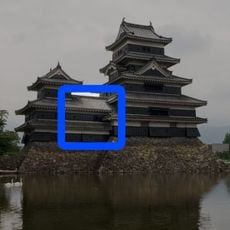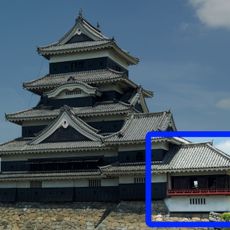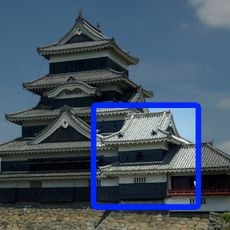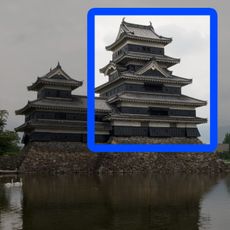
Haibara Castle, Japanese castle site in Matsumoto, Japan.
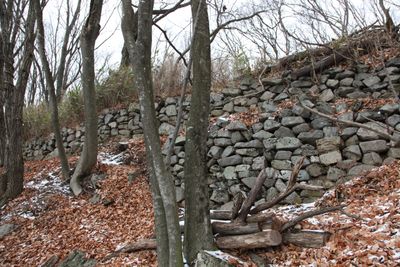
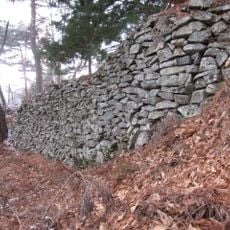
Haibara Castle is a Sengoku-period fortress ruin in Matsumoto whose foundations and earthworks display military architecture with stone walls, moats, and strategic placement on elevated terrain. The site used its landscape to achieve maximum visibility and defensive capability.
The fortress arose in the 16th century during the Sengoku period and served to protect trade routes and control the surrounding region. It was part of a broader network of fortifications that reflected power shifts in the area.
The ruins show how local rulers exercised power over the region and asserted their authority through the fortress location. This type of stronghold was typical of how leaders controlled their lands during this period.
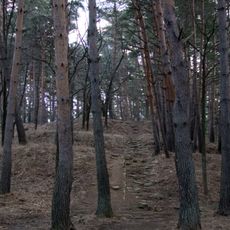
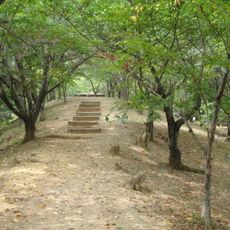
The ruins are reachable from central Matsumoto by public transportation with signs marking the historical layout of the fortification. Visitors should expect uneven ground and steps leading to the elevated positions within the fortification.
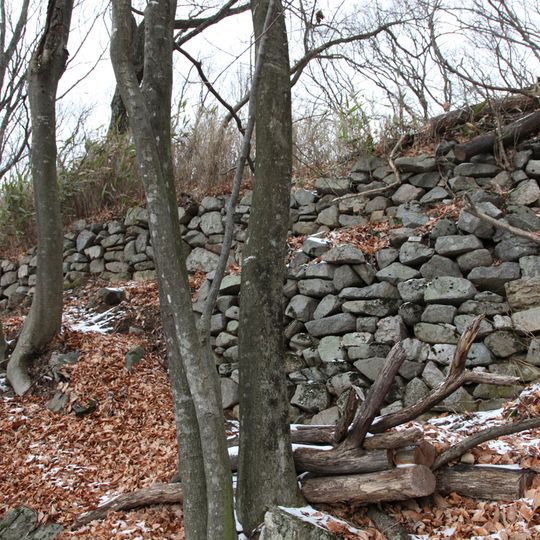
The remaining stone foundations reveal Sengoku-period construction methods and show how Japanese castles adapted to mountainous terrain. This building approach differs markedly from flatter fortifications and demonstrates skilled use of natural barriers.
The community of curious travelers
AroundUs brings together thousands of curated places, local tips, and hidden gems, enriched daily by 91,981 contributors worldwide.