Sukiyabashi, Commercial district and former bridge site in Ginza, Japan
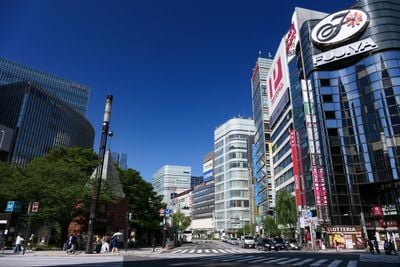
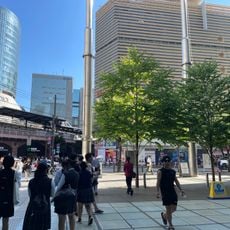
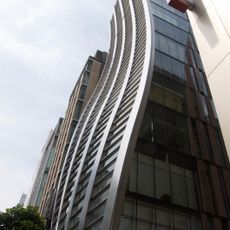
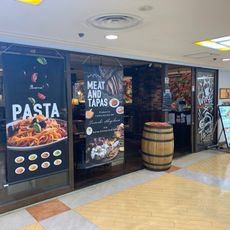
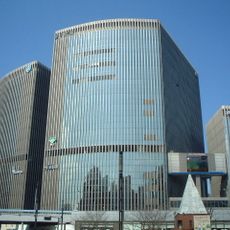
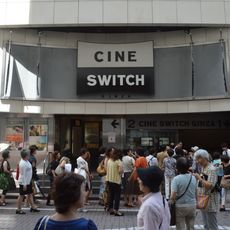
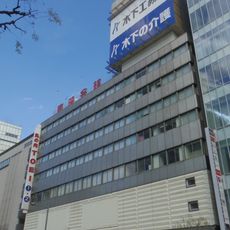
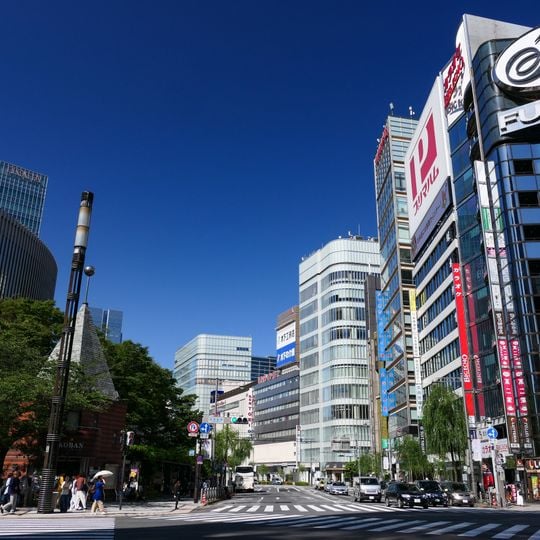
Sukiyabashi is a major intersection in Tokyo's Ginza district where modern buildings, retail spaces, and office complexes converge. The pedestrian pathways connect multiple shopping streets and create a central hub within the busy commercial landscape.
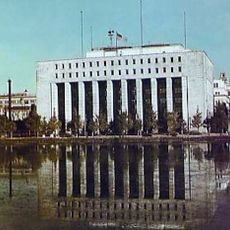
Sukiyabashi was first built in 1629 over the outer moat of Edo Castle, on the boundary between samurai and townsmen quarters, where a castle gate called a mitsuke stood. The gate was removed after the Meiji Restoration. In 1929, as part of the reconstruction after the Great Kanto Earthquake, it was replaced by a two-arch stone bridge designed by Bunzo Yamaguchi. It was demolished in 1958 when the moat was filled in for the Tokyo Expressway.
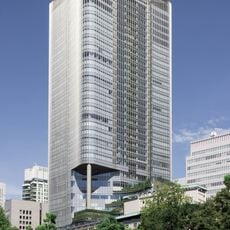
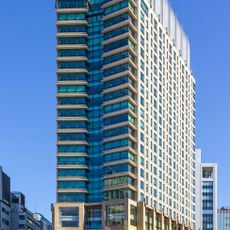
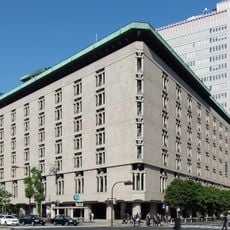
The name is written 数寄屋橋, using the characters for "tea ceremony room" (数寄屋), a term tied to the tea house that once stood by the moat. The bridge carried the name into the surrounding district, and today it survives in the Sukiyabashi intersection, the Sukiyabashi Park monument in Ginza 5-chome, and in the names of nearby buildings.
Multiple subway lines converge near this location, making it easy to reach. It helps to explore the different entrances to find the best route to the areas you want to visit.
The 1929 stone bridge, designed by Bunzo Yamaguchi, had two arches and was demolished in 1958 when the outer moat was filled in for the Tokyo Expressway. The expressway bridge over Harumi-dori was then named Shin-Sukiyabashi. A monument in Sukiyabashi Park marks the old crossing.
The community of curious travelers
AroundUs brings together thousands of curated places, local tips, and hidden gems, enriched daily by 93,356 contributors worldwide.