Saijō Inari, Buddhist temple in Kita-ku, Japan
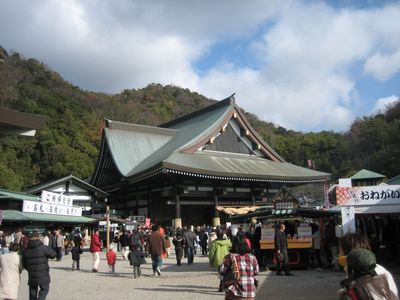
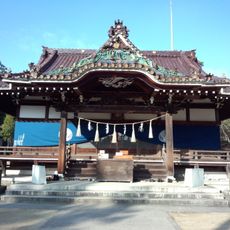
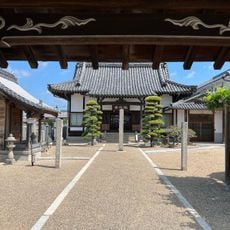
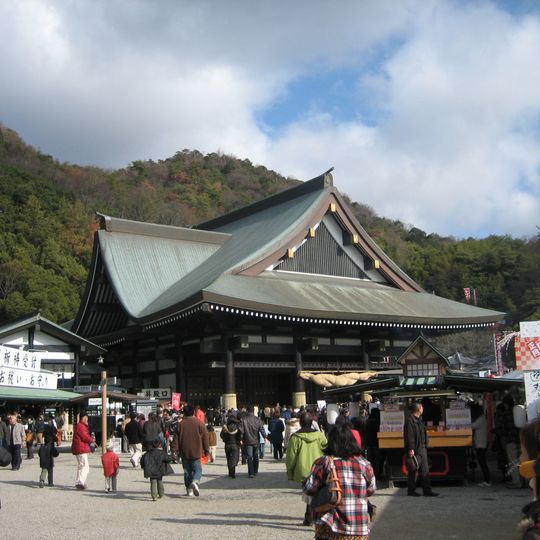
Saijō Inari is a Nichiren Buddhist temple whose formal name is Saijō Inari-san Myōkyō-ji. Its main hall, the Reikō-den, has a two-tiered copper roof with a row of white square ornaments along the eaves, dark pillars, and white plaster above. A torii and shimenawa mark the syncretic Inari worship.
The temple arose in the mid-8th century under Empress Kōken and was rebuilt after destruction in the early 17th century. Its affiliation later changed from the Tendai school to Nichiren teachings after battles destroyed the original structures.
The name Saijō Inari means "highest Inari," and the temple is counted with Fushimi Inari and Toyokawa Inari among Japan's three great Inari sites. Though a Nichiren temple, it keeps a torii and a shimenawa rope at its main hall, a rare surviving form of kami-buddha fusion. Its yuzu senbei rice crackers are sold along the approach.
The temple stands about 3 km from JR Bitchū-Takamatsu Station, roughly 43 minutes on foot or 5 minutes by taxi. From March to November, a free shuttle bus to the temple runs on some Sundays and holidays during the day. Over New Year, extra buses connect the station's north exit with the Inariyama stop at the approach. Large paid parking is available, but roads jam badly at New Year and Setsubun.
The Hachijoiwa Rock formation measures the area of eight tatami mats and offers a view toward the ruins of Bitchu Takamatsu Castle. Beside this elevation stands an 8-meter (26-foot) stone inscribed with a Buddhist formula.
The community of curious travelers
AroundUs brings together thousands of curated places, local tips, and hidden gems, enriched daily by 94,259 contributors worldwide.