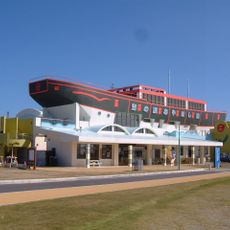
Awase Tidal Flat, Coastal mudflat in Okinawa, Japan.
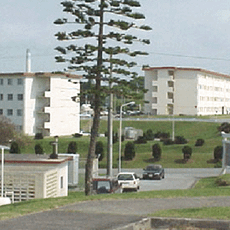
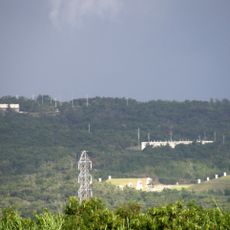
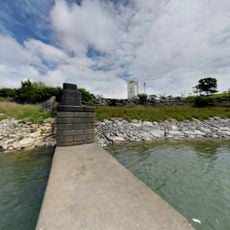
Awase Tidal Flat is a coral-reef lagoon flat in Nakagusuku Bay, Okinawa Island, covering about 290 hectares of mudflat and 112 hectares of seagrass beds. Its white to grey-brown sediment comes from Shimajiri mudstone and Ryukyu limestone, not red Kunigami soil. The flat lies beside the U.S. Awase Communications Site.
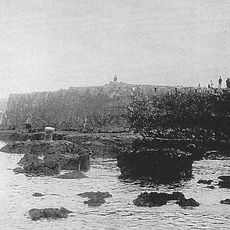
Until the 18th century the area was an uninhabited sandbar called Ase-shima. Tradition holds that Takaeasu Yoshimasa settled it in 1768 under a Ryukyu Kingdom policy resettling unemployed samurai as farmers. Salt making (Awase maasu) followed, and by 1905 Awase outproduced Naha in salt; the last salt fields closed in 1971.
Shellfish gathering at Awase is done by people who are not necessarily professional fishers, so catches rarely appear in statistics. Surveys record about 21 shellfish species taken, including arasuji-keman, Ryukyu sarubou and hososuji-hibari. Islanders from across Okinawa come here for shellfish and octopus, and the flat is also used for canoeing, fishing and birdwatching.
Access the flat beside the U.S. military Awase Communication Facility; there are no facilities for flat users, and surrounding land is residential. No single body manages the flat, so follow voluntary etiquette: avoid rake damage to seagrass and deep digging that destroys the sediment. The flat is used for shellfish and octopus gathering, canoeing, fishing and birdwatching.
The flat's white to grey-brown sand comes from Shimajiri marl and Ryukyu limestone, not the red soil of Kunigami marl flats elsewhere in the Ryukyus. Because Okinawa's flat land was taken for US bases after the war, many other tidal flats were filled in, leaving Awase as a rare shellfish-gathering ground for people from across the island.
The community of curious travelers
AroundUs brings together thousands of curated places, local tips, and hidden gems, enriched daily by 93,442 contributors worldwide.