熊野神社, Shinto shrine in Japan
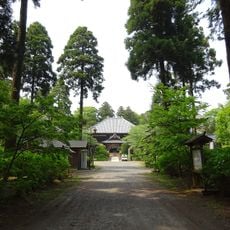
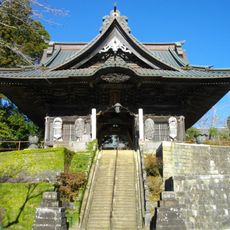
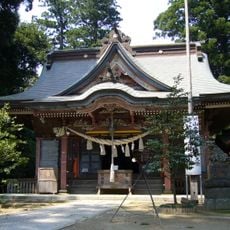
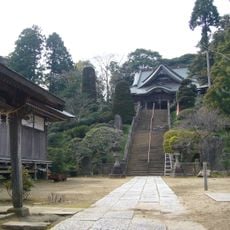
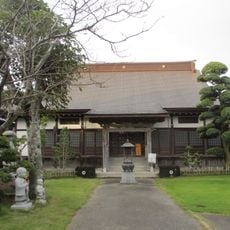
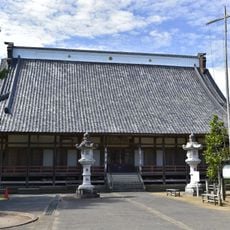
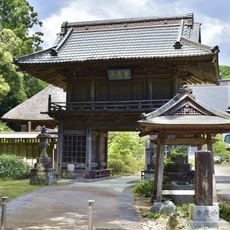
Kumano Shrine in Yokoshibahikari, Chiba, enshrines Izanami-no-Mikoto, Hayatama-no-O, and Kotosaka-no-O. Its current honden dates from the Shōtoku era (1711–1716) and its haiden from the Kōka era (1844–1848). A large nagi tree, the shrine's sacred tree, stands behind the right side of the haiden.
The shrine was founded in 876, when the deity was ceremonially transferred from Kumano Hongū Taisha in Kii Province; it was first called Miya-gawa Iri no Ryōsakai no Miya. In 940, for his role in quelling the Jōhei-Tengyō War, Taira no Sadamori donated a shrine building and lands worth eighteen kanme, and the shrine was renamed Kumano Shingū Daigongen. It served as tutelary shrine of eighteen neighbouring villages, was renamed Kumano Jinja in 1871 and ranked as a gōsha in 1873. The present honden dates from the Shōtoku era and the haiden from the Kōka era.
The shrine's name connects it to the Kumano region, reflecting beliefs brought from southern Japan. Today, local people visit regularly to pray for protection and good harvests, maintaining traditions that link the community to the land and its spiritual guardians.
The shrine grounds are open around the clock, with no admission gate. The spring rite in March draws the largest crowds, when the Taitai Kagura dance is offered; masks made in the Tenpō era are kept from that tradition. The main hall dates from the Shōtoku era and the worship hall from the Kōka era, so the two buildings differ in age. The large nagi tree stands behind and to the right of the worship hall.
A large sacred tree called Nagi no Ōki Ki stands on the grounds and is regarded by the community as a holder of spiritual power. Each year around March, a traditional dance performance called Tai Tai Kagura takes place, a practice over a century old meant to pray for good harvests and peace.
The community of curious travelers
AroundUs brings together thousands of curated places, local tips, and hidden gems, enriched daily by 93,473 contributors worldwide.