Kinoshita Hakusan-jinja, Shinto shrine in Japan
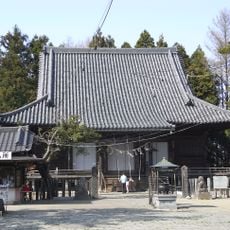
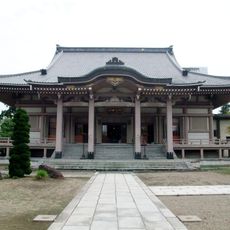
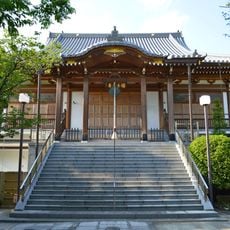
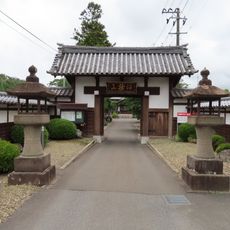
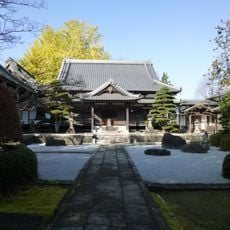
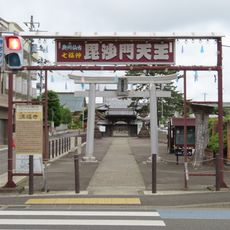
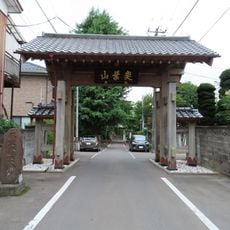
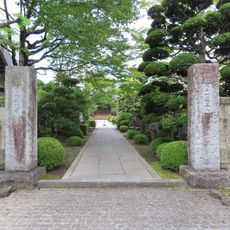
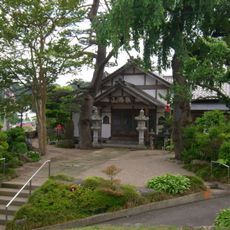
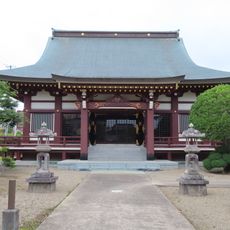
Kinoshita Hakusan-jinja is a Shinto shrine within the grounds of Mutsu Kokubun-ji in Wakabayashi-ku, Sendai. Its main hall, built in 1640 by Date Tadamune, is a one-bay nagare-zukuri structure with a deeply curved cypress-bark roof, verandas on three sides, and a front porch with a wooden platform. Small subsidiary shrines flank it, and the grounds also hold a worship hall.
Tradition holds that the shrine was already worshipped before Mutsu Kokubun-ji was founded, and that it lent its land to the temple; it is said to have burned with the temple in the 1189 Ōshū campaign. From the Sengoku period it was protected by the Kokubun clan, and in 1640 Date Tadamune built the present honden. It was ranked a Gō-sha in July 1871.
The shrine venerates Izanagi, Izanami and Kukurihime; the three are honoured together, though how Kukurihime came to be worshipped at Kinoshita is unrecorded. Through the Edo period the old retainers of the Kokubun clan and townsmen of Sendai's Kokubun-chō and Futsuka-machi served at the spring festival, held on 3 March, when mounted archers shot at a target.
The shrine is easily reached by local roads and is a short walk from nearby residential areas. You can visit at any time and stop by on a weekend stroll or on your way home without needing to plan ahead.
The shrine's dance masks for Ryōō and Nasori, said to come from Yamadera in Yamagata and attributed to Gyōki, are the only traditional bugaku masks remaining in Sendai. They were designated a city cultural property on 7 February 2002.
The community of curious travelers
AroundUs brings together thousands of curated places, local tips, and hidden gems, enriched daily by 94,430 contributors worldwide.