Tōmizuka Kofun, Archaeological burial mound in Wakabayashi-ku, Japan.
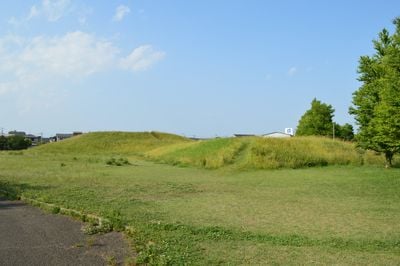
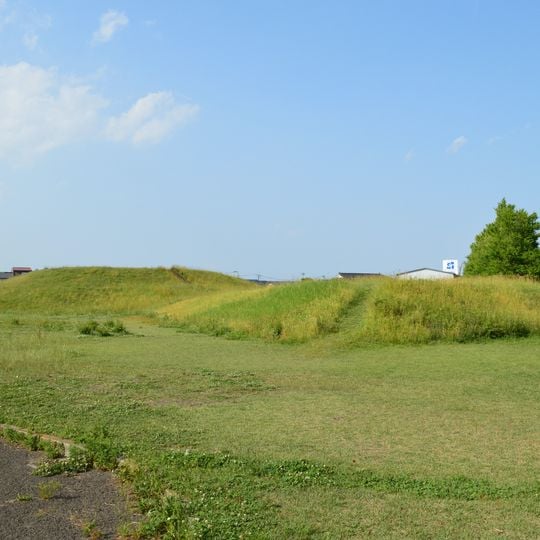
Tōmizuka Kofun is a keyhole-shaped mound 110 m long, with a 63 m diameter, 6.5 m high circular rear portion and a 37 m wide, 2.5 m high rectangular front. The front is unusually low compared with the rear. An irregular moat, 10 to over 40 m wide, surrounds it. No haniwa or fukiishi were found.
Built around the late 4th to early 5th century, the mound is the tomb of rulers of the Miyagi Plain. In 1947, under American occupation, half of the circular rear portion was removed for soil to extend Kasuminome Air Field. The site was excavated in 1968 and 1975, and designated a National Historic Site on 8 November 1968.
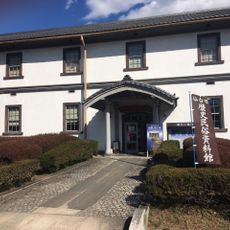
The name Tōmizuka means "distant-viewing mound," a vantage point over the Sendai Plain. The site is now a public park, and the Sendai City Museum keeps the grave goods: one quartz cylindrical bead, four glass balls and 18 pieces of a black-lacquered bamboo comb, all from the east sarcophagus. The neighbouring Tōmizuka Elementary School stores finds from the mound.
The site is open to the public as a park where visitors can walk around and view the structure from different angles. The location is convenient to reach and offers clear views of both the circular and rectangular portions.
In 1947, during the American occupation, soil was taken from the rear circular mound to extend nearby Kasuminome Air Field, destroying half of it. The grave goods were few for a mound of this size: four glass beads, one quartz cylindrical bead and 18 pieces of a black-lacquered bamboo comb, all from the east clay sarcophagus.
The community of curious travelers
AroundUs brings together thousands of curated places, local tips, and hidden gems, enriched daily by 94,134 contributors worldwide.