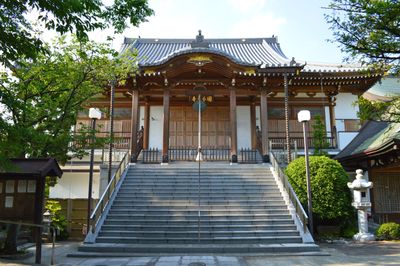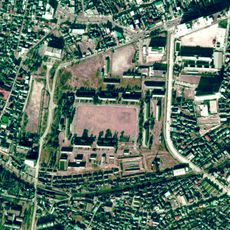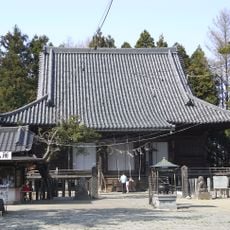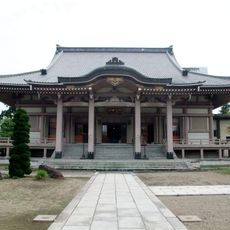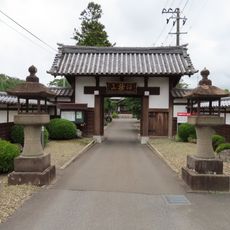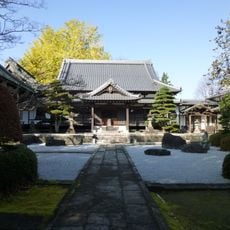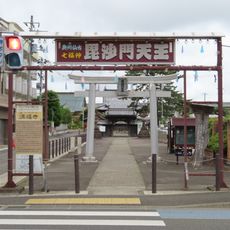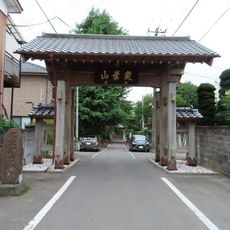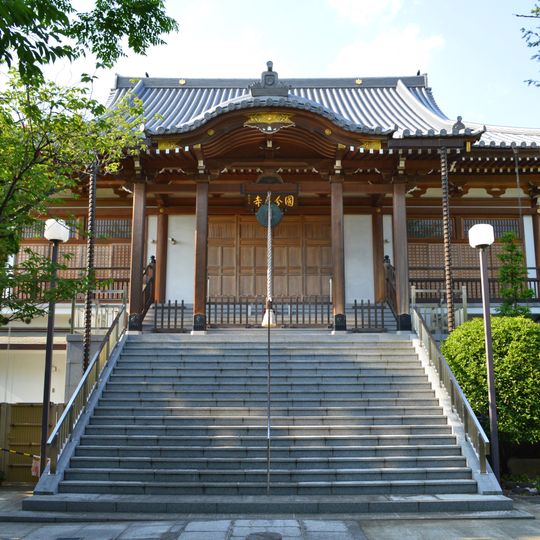
Mutsu Kokubun-niji, Buddhist temple site in Wakabayashi-ku, Japan.
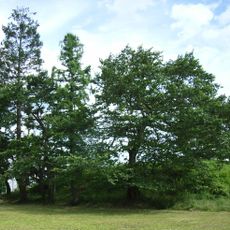
Mutsu Kokubun-niji is a Buddhist temple site in Wakabayashi-ku featuring foundation stones of a 9.8 by 8.53 meter main hall and archaeological remains from the 8th to 10th centuries. The excavation area reveals the physical remains of a former nunnery community that once occupied this location.
Emperor Shōmu ordered construction of this nunnery in 741 as part of a nationwide network of Buddhist temples designed to address a smallpox epidemic. The founding was part of a broader state initiative to spread Buddhism as a protective measure against disease.
The temple grounds served as a center for female religious community, where nuns performed daily ceremonies and maintained Buddhist practices throughout Mutsu province. Their presence shaped the spiritual life of the region for centuries.
The site is located 700 meters east of Mutsu Kokubun-ji and today serves as a protected historical research area open to visitors interested in archaeology. The terrain features uneven ground and minimal facilities, so comfortable footwear and patience are recommended.
Archaeological excavations revealed in 1948 an earthen mound called Kannon-zuka, identified as the remains of the temple's original ordination platform. This discovery helped archaeologists better understand the spatial layout and functions of the complex.
The community of curious travelers
AroundUs brings together thousands of curated places, local tips, and hidden gems, enriched daily by 60,000 contributors worldwide.