Shibi-jinja, shrine in Izumi, Kagoshima
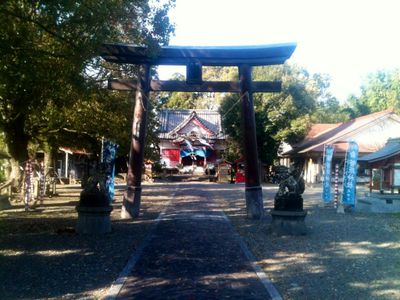
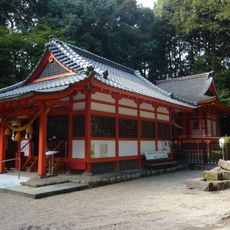
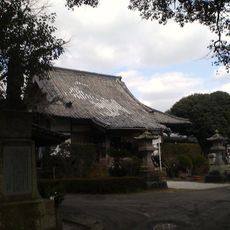
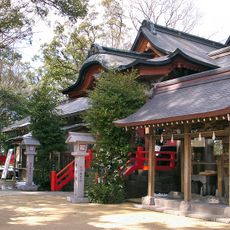
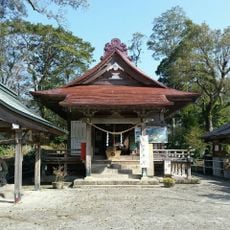
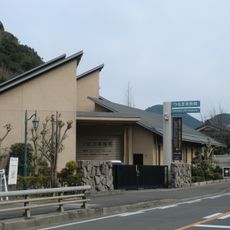
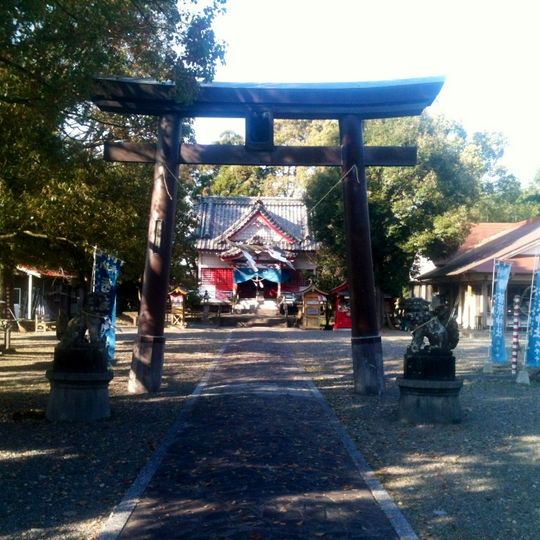
Shibi-jinja is a Shinto shrine in Izumi built in the nagare-zukuri architectural style, characterized by an asymmetrical roof that rises on one side and slopes gently down the other. The wooden structure rests on pillars above a raised platform, features a narrow veranda with railings, and is accessed by steep wooden steps that lead to the entrance.
The nagare-zukuri style that defines Shibi-jinja is among the oldest shrine building techniques in Japan, used for many centuries. This tradition developed from earlier shrine designs like kasuga-zukuri, with the extended roof serving both a practical purpose of weather protection and a spiritual function in honoring the sacred space.
Shibi-jinja serves the local community as a place where people come to pray, make offerings, and participate in quiet rituals honoring the spirits. Visitors write wishes on wooden tablets called ema and hang them within the grounds, becoming part of a tradition that connects daily life with spiritual practice.
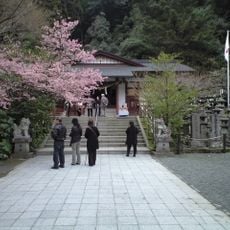
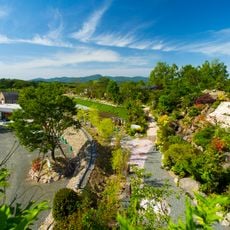
The shrine is usually surrounded by trees and quiet spaces, providing visitors with a peaceful setting for prayer and reflection. It helps to explore the area beforehand and respect local customs, especially during festival events when the grounds welcome community members.
The nagare-zukuri design was historically created with the idea that shrines could be moved to follow the movements of worshipped deities, resulting in their compact and portable structure. This building method is maintained today even though the shrine is permanent, preserving a fascinating connection to ancient practices.
The community of curious travelers
AroundUs brings together thousands of curated places, local tips, and hidden gems, enriched daily by 90,891 contributors worldwide.