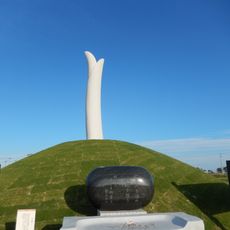
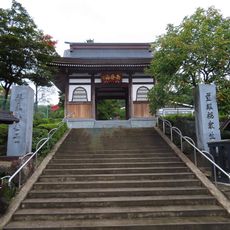
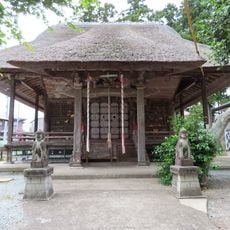
Teizan Canal, Transportation canal in Miyagi Prefecture, Japan
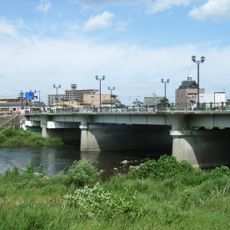
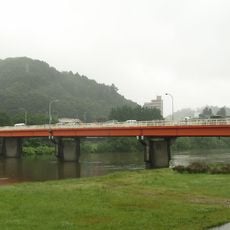
The Teizan Canal is a waterway running from the Abukuma River to Shiogama Port and serves as a major transport route for the region. The canal carries goods and people between different parts of Miyagi Prefecture, supporting the area's commerce.
The oldest section, the Kobi-kibori between the Natori and Abukuma river mouths, appears on a 1645–1648 map and may date from 1597–1601 or the Genna era. The Funairi-bori from Shiogama to the Nitta River was finished in the Kanbun era (1661–1673). The Meiji-era Shin-bori was recut from 1883 to 1889, and in 1887 a lock linked Gamō to the Nitta River, joining the three sections into one canal named by Hayakawa Tomohiro after Date Masamune's posthumous name, Teizan.
The waterway connects several communities and shapes how people in the area move between different towns. The canal has become part of local life, serving as a route that residents depend on for commerce and daily activities.
The canal has varying water depth and conditions along different sections, so it is useful to check local conditions before planning a visit. Walking along the canal paths offers the best way to observe the waterway and how it is used by local traffic.
The canal's oldest stretch, the Kobi-kibori between the Natori and Abukuma mouths, appears on a 1645–1648 map, so it was finished before then; some credit Kawamura Jūbei with digging it in 1597–1601. Its name comes from timber floated along it. In 2000 the canal was listed among the Japan Society of Civil Engineers' selected civil engineering heritage sites.
The community of curious travelers
AroundUs brings together thousands of curated places, local tips, and hidden gems, enriched daily by 95,355 contributors worldwide.