洞口家住宅, Historic farmhouse in Natori, Miyagi Prefecture, Japan
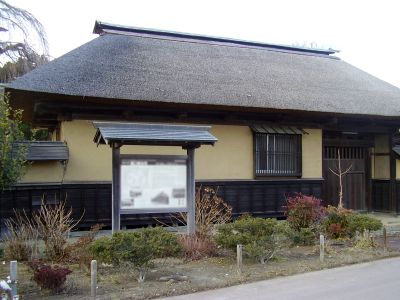
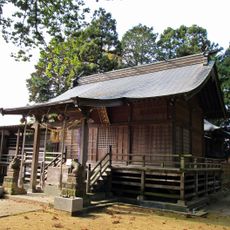
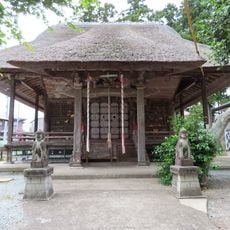
The Horaguchi Family Residence is a thatched, single-storey wooden farmhouse built in the Hōreki era (1751–1763), with a 25-metre frontage and an 11-metre depth. Its posts stand directly on stone footings, and the beams and pillars are assembled without nails, using the natural curves of the timber. The interior follows a symmetrical four-room plan called the Natori type, with a doma earthen floor on the east side and raised living quarters on the west.
The main house is dated to the Hōreki era (1751–1763) through a surviving prayer tablet and comparison with other farmhouses of the former Sendai domain. It is a thatched, hipped-roof minka with pillars set directly on stone, its beams and posts bent naturally and joined without nails. The main house was designated a National Important Cultural Property on 28 December 1971; the land followed in 1985, and the storehouses and further land were added in 2012.
The room layout reflects how people organized their daily lives, with the large earthen floor serving as the main work and gathering area for household activities. You can see how the family moved between formal and informal spaces depending on what they were doing.
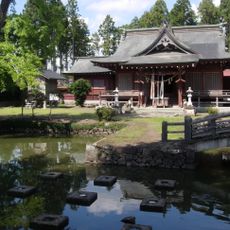
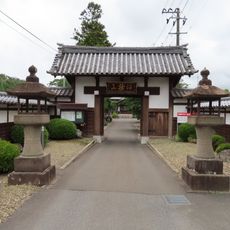
The grounds lie in the Natori plain rice fields, about 5 minutes on foot from the Taga Shrine bus stop on the Natorin-go Yuriage line from JR Natori Station, or 25 minutes on foot from Mitazono Station. The site is enclosed by a moat and a windbreak grove; the rice storehouse stands across the road south of the main gate.
The earthen floor includes six independent supporting pillars rather than a single column, creating an unusual and spacious interior layout. This arrangement was surprisingly generous for a rural family house and hints at the household's relative prosperity.
The community of curious travelers
AroundUs brings together thousands of curated places, local tips, and hidden gems, enriched daily by 94,777 contributors worldwide.