Raijinyama Kofun, Ancient burial mound in Natori, Japan
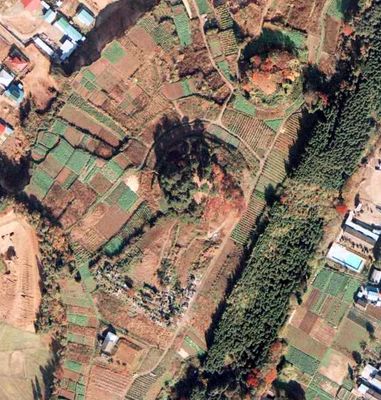
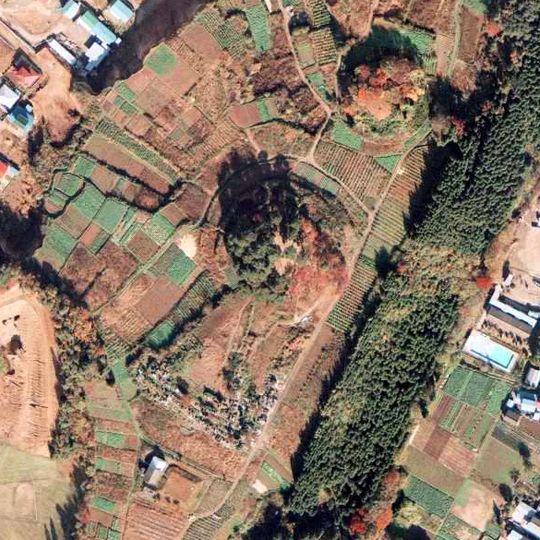
Raijinyama Kofun is an ancient burial mound with a distinctive keyhole shape consisting of a larger front section and a smaller rear mound. The entire site displays the characteristic layout typical of Japanese kofun construction from this era.
This site was constructed in the late 4th or early 5th century, as evidenced by pottery fragments and haniwa terracotta figures found during excavations. This period marked the flourishing era of the Kofun culture in Japan.
The keyhole shape of this burial mound reflects the social standing of the person interred within ancient Japanese society. This distinctive form served as a visible marker of high status and importance.
The site can be accessed on foot from the nearby train station with a short walk. Plan your visit on a clear day, as the sloped earthworks can become muddy or slippery during or after rain.
The 2011 earthquake caused a partial collapse of the rear mound, unexpectedly revealing the burial chamber's interior. This damage allowed researchers to study rare evidence of the coffin and burial practices that would have remained hidden.
The community of curious travelers
AroundUs brings together thousands of curated places, local tips, and hidden gems, enriched daily by 60,000 contributors worldwide.