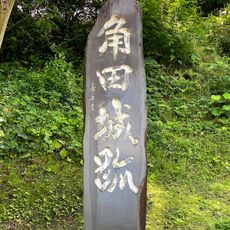
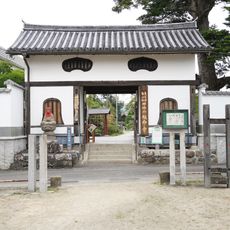
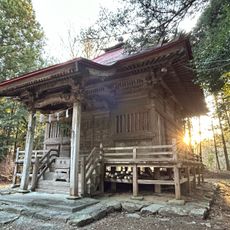
Kōzō-ji, Buddhist temple in Kakuda, Japan
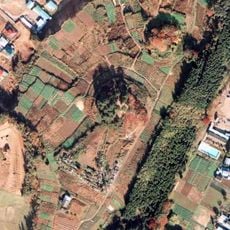
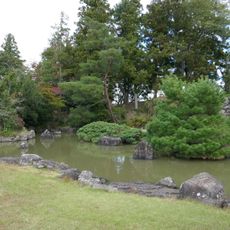
Kōzō-ji is a Buddhist temple located in Kakuda, in Miyagi Prefecture in northern Japan. The grounds contain several buildings arranged in a traditional layout that follows Japanese temple design conventions and Buddhist architectural principles.
Tokuitsu, a Hossō monk, founded Kōzō-ji in 819. The Amida-dō was built in 1177, and its uken-bun records repairs sponsored by Fujiwara Hidehira in 1179 and by Kitabatake Akiie in 1335. The hall and its Amida statue were designated Important Cultural Properties in 1908 and 1927 respectively.
Kōzō-ji belongs to the Chizan branch of the Shingon school. Its Amida Hall holds a 273 cm seated Amida Nyorai on a lotus throne, carved in 1177 by the yoseki-zukuri technique of joined woodblocks; the hall's ridge tag records repairs by Fujiwara Hidehira in 1176 and Kitabatake Akiie in 1335.
The Amida-dō and its Amida Nyorai statue are both national Important Cultural Properties, so the hall is a protected structure rather than an open hall; check locally before planning to see the interior. The temple lies in Kakuda, Miyagi Prefecture, at coordinates 38.00028, 140.71833, and the grounds are entered on foot.
The Amida-dō was built in 1177 without a single nail, using a technique attributed to Hida craftsmen, and its interior holds a 273 cm seated Amida Nyorai carved by the yoseki-zukuri method. Only three Heian-period buildings survive in the Tōhoku region: this hall, Chūson-ji's Konjiki-dō in Hiraizumi and Byakui Amida-dō in Iwaki.
The community of curious travelers
AroundUs brings together thousands of curated places, local tips, and hidden gems, enriched daily by 93,177 contributors worldwide.