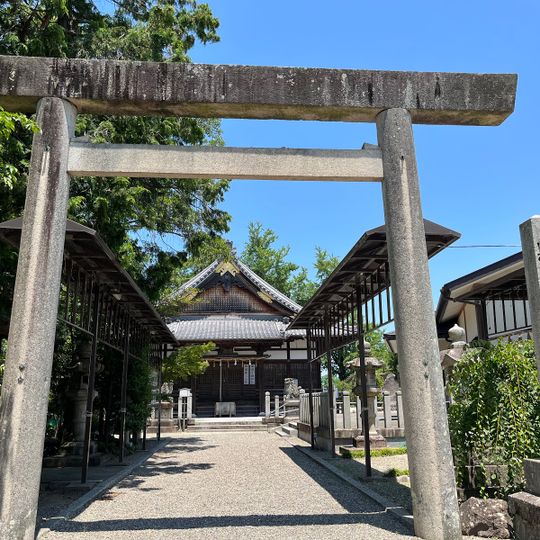
鎮国守国神社, Shinto shrine in Japan
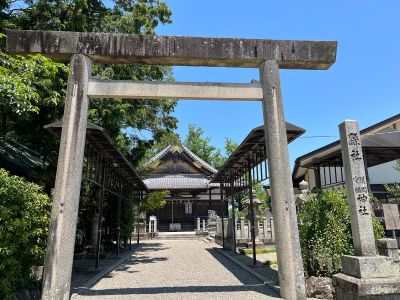
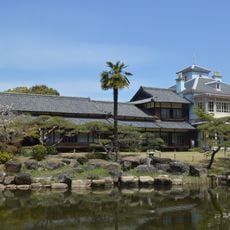
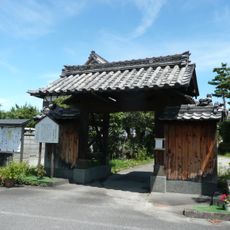
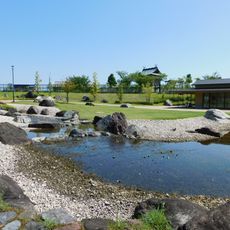
Chinkoku-Shukoku Shrine stands on the honmaru, the main enclosure of the former Kuwana Castle in Kuwana, Mie Prefecture. It enshrines Matsudaira Sadatsuna (Chinkoku-kō) and Matsudaira Sadanobu (Shukoku-kō, also called Rakuō-kō). The grounds hold a worship hall, the Rakuō-kō Centenary Memorial Museum, a stone monument inscribed with a poem by Rakuō, and the shrine office. A subsidiary shrine, Kōrai Jinja, honours a dragon deity and a water deity.
The shrine was founded in the late Edo period as one of the clan-founder shrines that spread from the late Edo to early Meiji era. It enshrines Matsudaira Sadatsuna (Chinkoku-kō) and Matsudaira Sadanobu (Shukoku-kō, Rakuō-kō). It stands on the site of the honmaru of Kuwana Castle.
The shrine was established to honor Matsudaira Sadatsuna, a local lord, and remains deeply connected to Kuwana's sense of identity and continuity. Residents consider it a keeper of their local traditions, especially during the May goldfish festival when the community gathers to celebrate together.
The shrine stands on the honmaru site of Kuwana Castle. From Kuwana Station on the JR Kansai, Kintetsu Nagoya or Yoro Railway lines, take a Mie Kotsu bus to the Honmachi stop, then walk about six minutes. The treasure hall is opened to the public only during the goldfish festival.
The shrine's treasure hall, built for the 100th anniversary of Matsudaira Sadanobu's death, is normally closed and opens to visitors only during the two-day goldfish festival on 2 and 3 May. Among the designated cultural properties kept here are the carved printing blocks of the Collectanea of Ten Categories and a 12th-century dictionary, the Sanpo Ruiju Myogisho.
The community of curious travelers
AroundUs brings together thousands of curated places, local tips, and hidden gems, enriched daily by 93,933 contributors worldwide.