Tall al-Ajjul, Archaeological site and Bronze Age settlement in Gaza Strip, Palestine
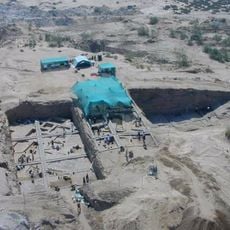
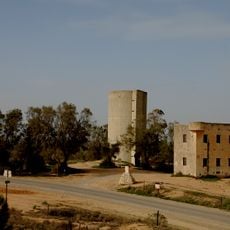
Tall al-Ajjul is an archaeological site with remains of several Bronze Age settlement layers showing residential buildings, fortified walls, and palace foundations. Excavations have uncovered pottery, tools, and jewelry from different periods.
Tell el-Ajjul was founded around 500 metres south of Tell es-Sakan after that settlement was abandoned in the 23rd century BCE, and archaeologists Pierre de Miroschedji and Moain Sadeq see it as its successor. In the Middle Bronze IIA it was an important city of the southern Levant, and in MB IIB it held the largest number of Egyptian Second Intermediate Period imports. The site is one of the proposed locations of Sharuhen, the Hyksos stronghold, and in 1229 a treaty between Ayyubid rulers was signed at Tell Ajul.
The remains show how trade and exchange between Egypt and the Levant shaped life thousands of years ago. Pottery and tools suggest that people from different cultures lived and worked together at this settlement.
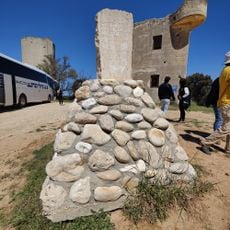
Access to the site requires prior permissions and coordination with local authorities. Visitors should expect guided tours that provide insight into the different archaeological layers.
Flinders Petrie, excavating here in 1930–1934, believed the mound was ancient Gaza and uncovered three hoards of Bronze Age gold jewellery, now split between the British Museum and the Rockefeller Museum. Scarab seals of the pharaohs Apepi, Sheshi, Sekhaenre and 'Ammu also came to light. Less than 5% of the tell has been excavated.
The community of curious travelers
AroundUs brings together thousands of curated places, local tips, and hidden gems, enriched daily by 93,360 contributors worldwide.