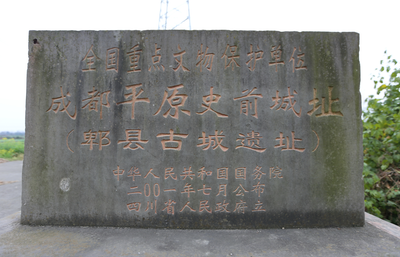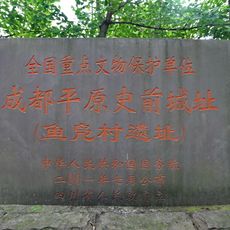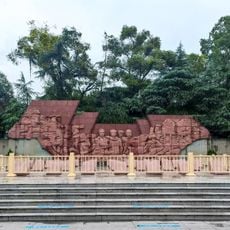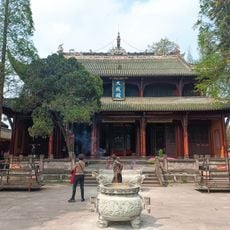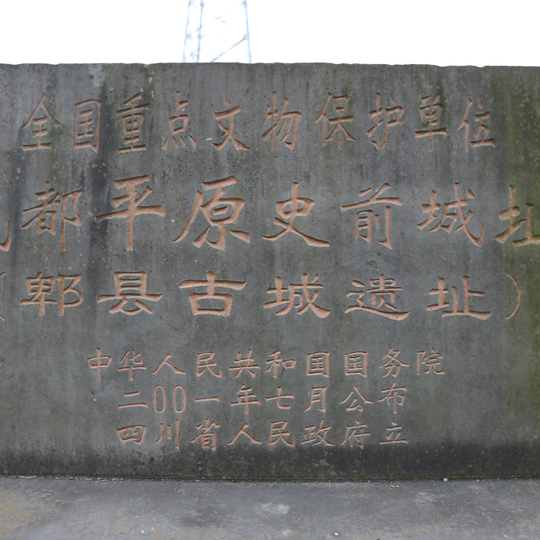
郫县古城遗址, Archaeological site in Sichuan, China
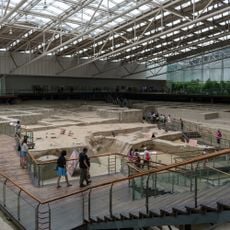
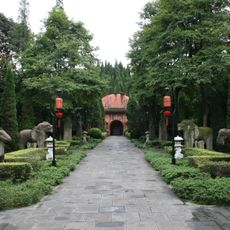
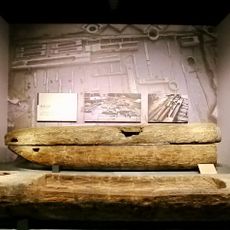
Baodun ancient city ruins are an archaeological site in Sichuan with remains from the late Neolithic period, including stilt houses, defensive walls, and communal buildings. Excavations have uncovered pottery, stone tools, and the floor plans of how people lived in this prehistoric settlement.
This settlement dates to the late Neolithic period and represents an early phase of community organization and architectural development in eastern China. It marks a time when people began constructing permanent structures and developing more complex social arrangements.
This settlement served as a key gathering place for the Baodun culture, where people organized their community around rectangular structures and shared spaces. The layout reveals how ancient inhabitants valued order and communal activities in their daily lives.
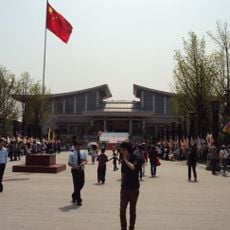
The site is accessible by public transportation or private vehicle, with information available on-site about the excavated areas and what you will see. Plan enough time to walk through the different zones and view the objects that have been found during excavations.
Excavations uncovered what was the largest communal building structure from that era ever found in China, drawing international scholarly interest. This discovery shows that some of the earliest complex societies were already building impressive structures for shared purposes.
The community of curious travelers
AroundUs brings together thousands of curated places, local tips, and hidden gems, enriched daily by 92,264 contributors worldwide.