Sichuan Museum, Comprehensive museum in Qingyang District, Chengdu, China
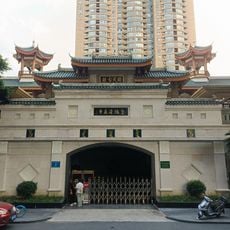
Sichuan Museum is a large regional museum in Chengdu, the capital of Sichuan province in southwest China. It has several exhibition halls covering archaeology, painting, calligraphy, bronzeware, and the ethnic cultures of the region.
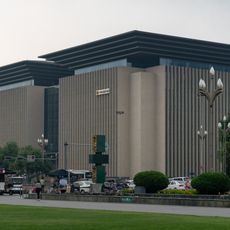
The Sichuan Museum was founded in 1941 and is located beside Huanhuaxi Park in the Qingyang district of western Chengdu. In 2012 the State Administration of Cultural Heritage designated it a Grade One national museum, and in April 2024 it was named a national key museum jointly built by the central and local governments.
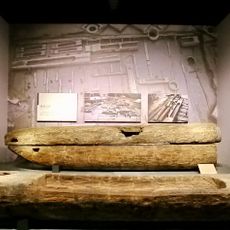
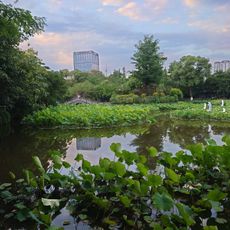
The museum stands beside Huanhuaxi Park in Chengdu's Qingyang District, west of the city centre. Its collection is divided into eight main categories, among them ceramics, coins, paintings and calligraphy, and ethnic customs, giving the holdings a marked Bashu regional character. The earliest item is a fossil skull of the 25,000-year-old Ziyang Man from the Palaeolithic.
Sichuan Museum stands beside Huanhuaxi Park in the Qingyang district, west of central Chengdu. Its 15 exhibition halls cover 12,000 square metres and can display more than 3,300 objects at once, so allow several hours. The halls are fitted with multimedia displays, and a modern cultural exchange centre and a multifunctional lecture hall serve research and events.
The oldest item in the collection is a "Ziyang Man" skull fossil from the Palaeolithic, about 25,000 years old. The museum was rated a Grade One national museum in 2012 and joined the state key museum programme in April 2024. Its 3,300-plus display pieces rotate through 15 halls.
The community of curious travelers
AroundUs brings together thousands of curated places, local tips, and hidden gems, enriched daily by 93,793 contributors worldwide.