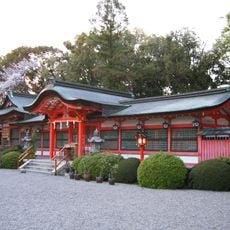
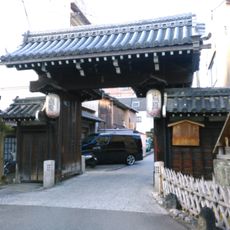
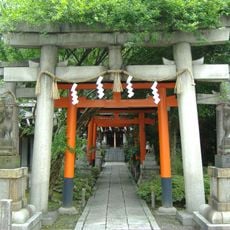
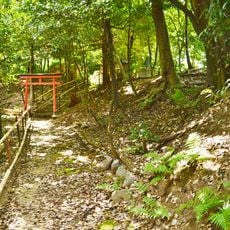
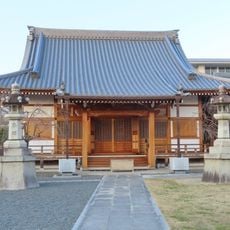
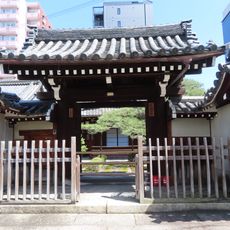
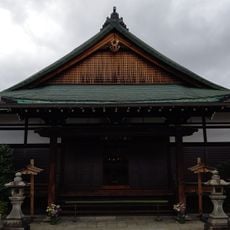
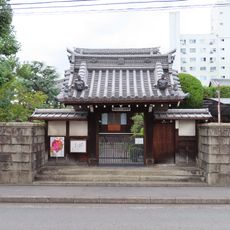
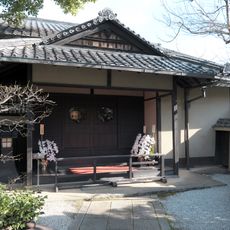
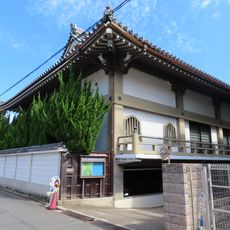
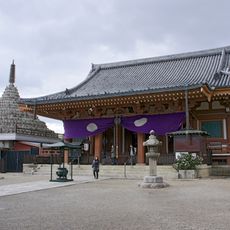
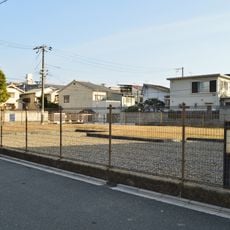
Junna-in, Detached palace in Kyoto, Japan
Junna-in is a former detached imperial palace in the Heian-kyō area of Kyoto, Japan, laid out on the old city grid that dates back to the founding of the ancient capital. The complex originally included several buildings and open courtyards arranged to accommodate the emperor and his court.
Emperor Junna used this estate as a residence between 823 and 833, and after a fire in 879 the buildings were repurposed as a convent for Buddhist nuns. Over the following centuries the site gradually lost most traces of its original imperial layout.
The name Junna-in directly recalls Emperor Junna, who lived here during the early Heian period, and this link to imperial memory shaped how the site was treated for centuries. After it became a convent, the place took on a new role as a center of Buddhist practice for women at a time when such spaces were uncommon.
The site sits within the urban fabric of Kyoto and can be reached on foot from nearby streets without difficulty. Those interested in the archaeological remains should wear sturdy shoes, as the ground can be uneven in places.
The Minamoto clan took on the duty of maintaining the imperial mausoleums on the grounds for many generations, and this responsibility continued into the Meiji period. It is rare for a single family to hold such a connection to an urban site across nearly a thousand years.
The community of curious travelers
AroundUs brings together thousands of curated places, local tips, and hidden gems, enriched daily by 60,000 contributors worldwide.