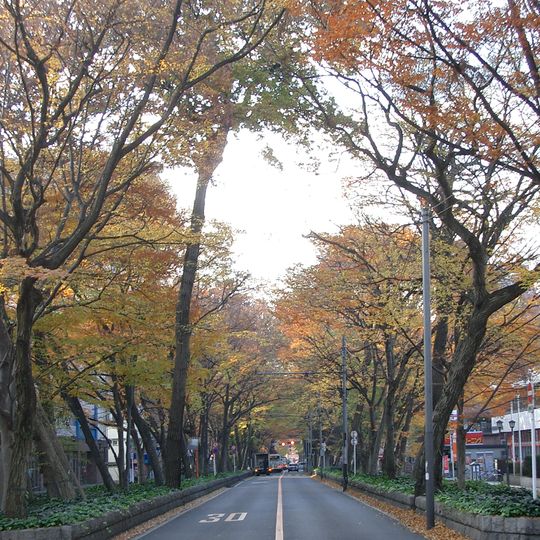
Babadaimon no Keyaki Namiki, Ancient zelkova tree avenue in Fuchū, Japan.
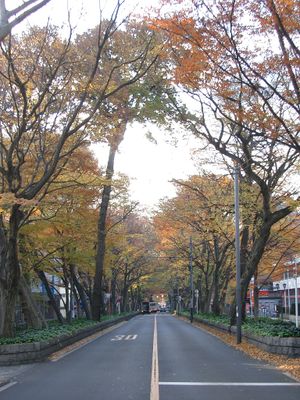
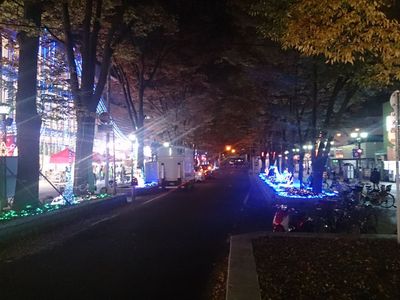
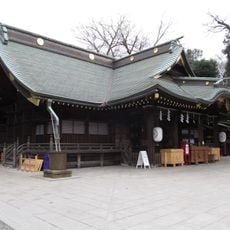
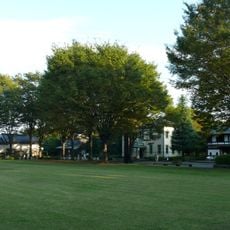
Babadaimon no Keyaki Namiki is a double row of zelkova trees in Fuchū, Japan, forming a natural corridor that leads directly to Okunitama-jinja Shrine. The avenue runs for about 500 meters (1,640 ft) and is covered by a dense canopy formed by the crowns of mature trees on both sides.
The avenue dates to 1062, when Minamoto no Yoriyoshi and his son planted over 1,000 zelkova saplings before leaving on a military campaign. Many of those original trees are still standing, making the row a living record of more than 900 years of growth.
The tree rows form a sandō, a traditional approach path to a shrine, inviting visitors to walk with a sense of intention before reaching the sacred grounds. This transition between the city and the shrine reflects how everyday movement can carry a spiritual meaning in Japanese culture.
The avenue is within walking distance of Fuchū Station on the Keio Line and is open year-round. Visiting early in the morning or late in the afternoon tends to be quieter and offers better light for walking the full length of the path.
This avenue holds the only designation in Japan as a natural monument specifically for a zelkova tree row, setting it apart from all other protected tree avenues in the country. Some individual trees along the path are over 400 years old, even though the planting as a whole goes back much further.
The community of curious travelers
AroundUs brings together thousands of curated places, local tips, and hidden gems, enriched daily by 60,000 contributors worldwide.