Kōanji, Buddhist temple in Fuchū, Japan
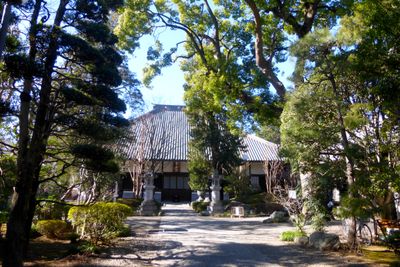
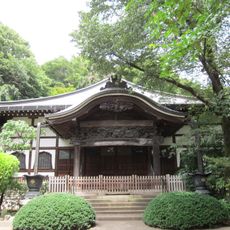
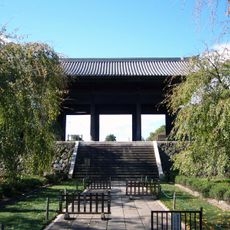
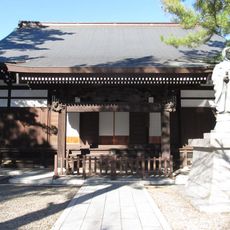
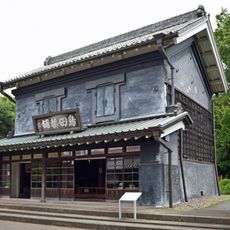
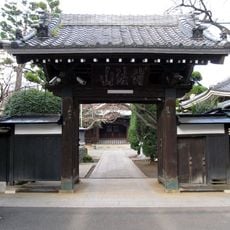
Kōanji is a Zen Buddhist temple in Fuchū featuring a main hall built in 1803 and a bell tower from 1856, both reflecting the architectural style of the Sōtō school. The layout and design of these structures emphasize the straightforward, functional approach characteristic of this Buddhist tradition.
The temple site originally occupied the former residence of the nobleman Fujiwara no Hidesato before becoming associated with Ashikaga Takauji in the 14th century. Its transformation reflects how such locations served important roles for military and spiritual authority during the early shogunate period.
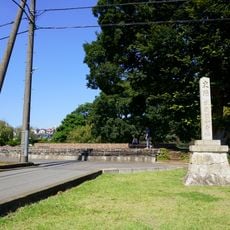
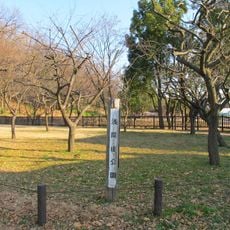
The temple's name reflects changes made during the Edo period, evolving from its earlier designation as visitors explore the grounds and encounter markers of this transition. Walking through the site, you notice how the space blends the temple's religious function with reminders of its past roles.
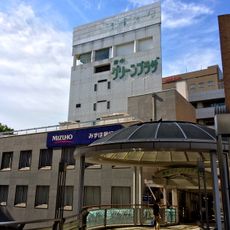
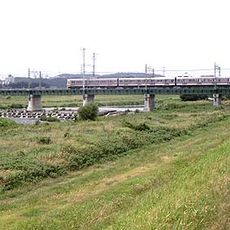
The temple is accessible from Bubaigawara Station, which connects to both the JR Nambu and Keio lines serving the greater area. A short walk of about seven minutes from the station takes you directly to the entrance.
During the Sengoku period, this temple held a special tax-exempt status granted by the Odawara-Hojo clan, an unusual privilege for such institutions. Original seal documents from that era remain on display, offering a glimpse into how local rulers managed their territories and supported religious sites.
The community of curious travelers
AroundUs brings together thousands of curated places, local tips, and hidden gems, enriched daily by 92,334 contributors worldwide.