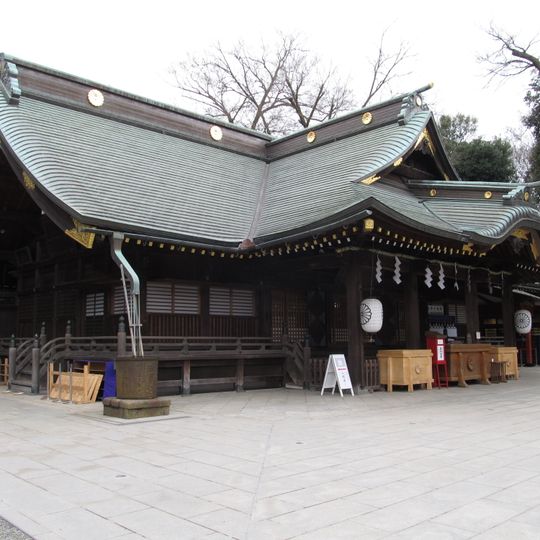
Ōkunitama Shrine, Shinto shrine in Fuchū, Japan
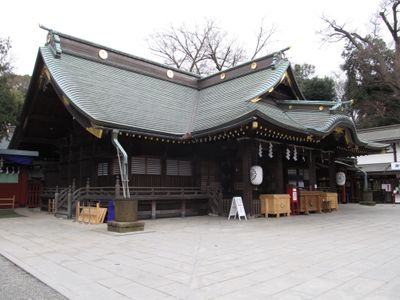
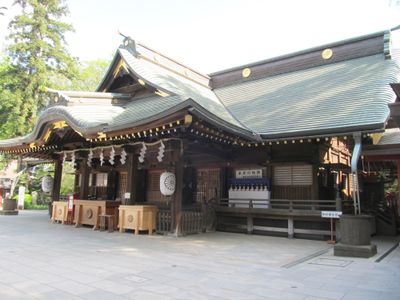
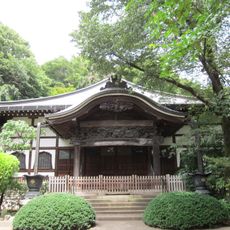
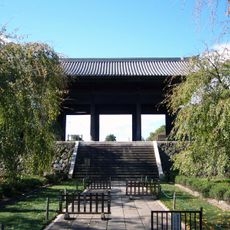
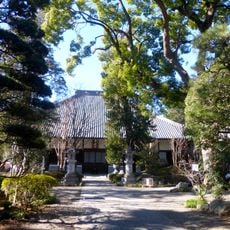
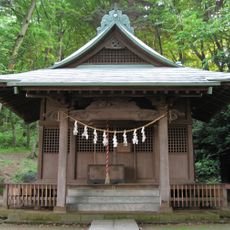
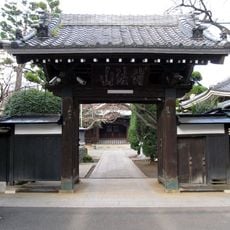
Ōkunitama is a Shinto shrine in Fuchū serving as the sōja of the former Musashi province, consolidating several smaller regional shrines under one roof. The complex displays nagare-zukuri architecture with flowing rooflines, inner and outer gates, and extensive wooded areas surrounding the main hall.
The foundation followed the relocation of the Musashi provincial government here during the Nara period in the 8th century. The sōja concept developed during that era to allow provincial officials to worship at multiple sites simultaneously.
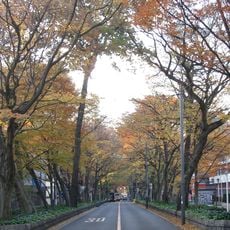
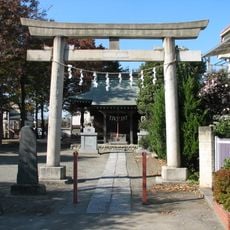
The name Ōkunitama refers to the guardian deity of the old Musashi province, and the complex remains a central place of worship for the region. Visitors notice the tree-lined approach and the traditional torii gates marking the transition between everyday life and sacred ground.
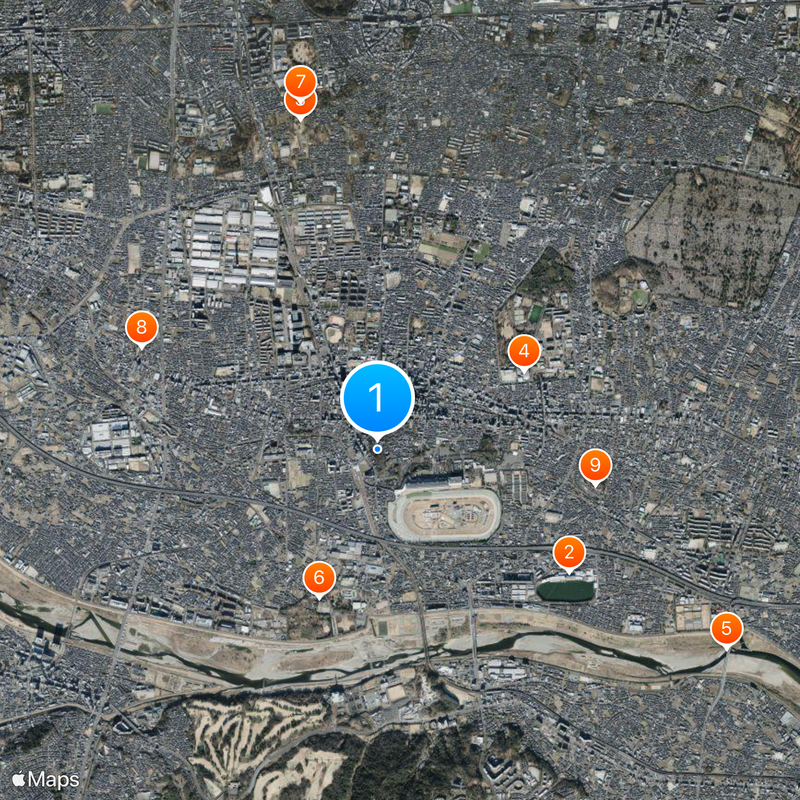
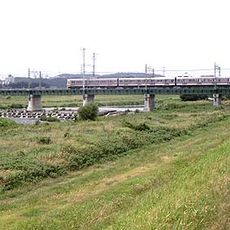
A five-minute walk from Fuchūhonmachi Station on the JR East Musashino Line leads directly to the entrance in western Tokyo. The wooded paths and maintained gardens invite quiet exploration, especially during early morning hours.
Archaeological excavations around the shrine uncovered more than 4000 pit dwellings, revealing a large settlement from the 7th and 8th centuries. This discovery shows the area was densely inhabited even before the official provincial capital formed.
The community of curious travelers
AroundUs brings together thousands of curated places, local tips, and hidden gems, enriched daily by 92,601 contributors worldwide.