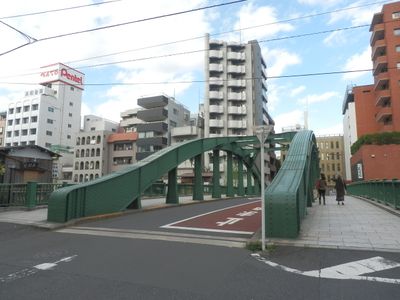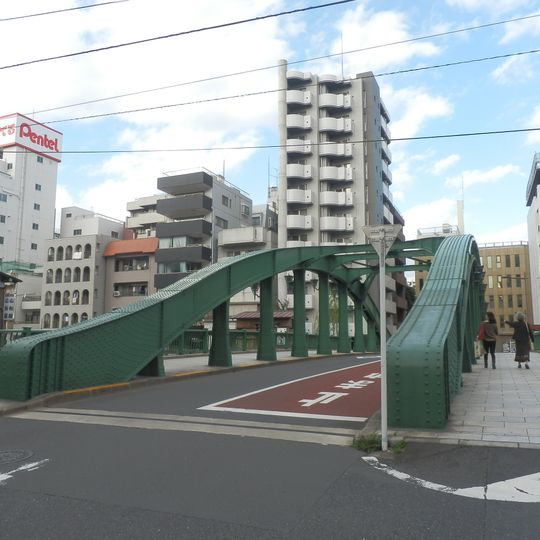
Yanagibashi Bridge, Steel arch bridge in Higashi-Nihonbashi, Japan
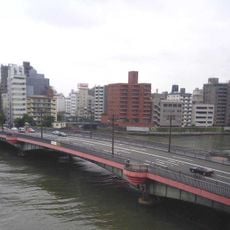
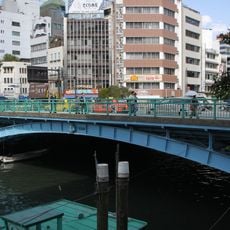
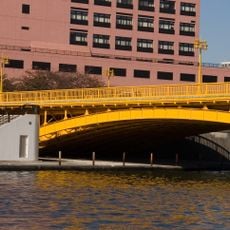
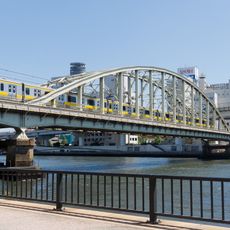
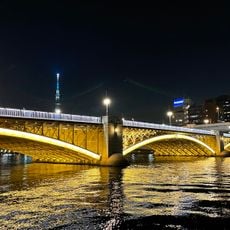
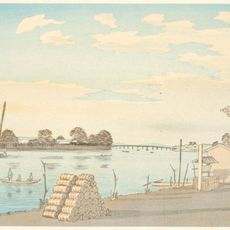
Yanagibashi Bridge is a steel arch bridge with solid ribs that crosses the Kanda River in central Tokyo, linking the Higashi-Nihonbashi and Taito districts. The structure carries both pedestrian and vehicle traffic and sits at a point where the river curves gently before flowing into the Sumida River.
The bridge was first built in 1698 as a wooden crossing and was rebuilt several times before the Great Kanto Earthquake of 1923 brought it down along with much of the surrounding area. The current steel structure was completed in 1929 as part of the broader effort to reconstruct Tokyo.
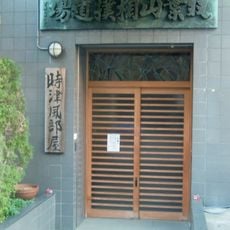
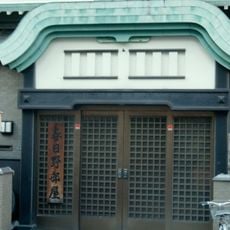
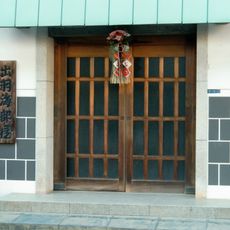
The name Yanagibashi means "willow bridge" in Japanese, referring to the willow trees that once lined the banks of the Kanda River. The streets nearby still hold traces of that older city character, with small restaurants and traditional shops tucked between newer buildings.
The bridge is easy to reach on foot from Asakusabashi and Higashi-Nihonbashi stations, and the riverside path along the Kanda River makes for a natural approach. Walking along the embankment gives a clear view of the arch and the railing details from below.
The bridge was designed with decorative balance bowls at the ends of its arches, a detail borrowed from the Eitai Bridge further downstream on the Sumida River. Few visitors notice this shared design element connecting two bridges built in the same postwar reconstruction period.
The community of curious travelers
AroundUs brings together thousands of curated places, local tips, and hidden gems, enriched daily by 91,760 contributors worldwide.