Circus Maximus, Park and archaeological site in Rome, Italy
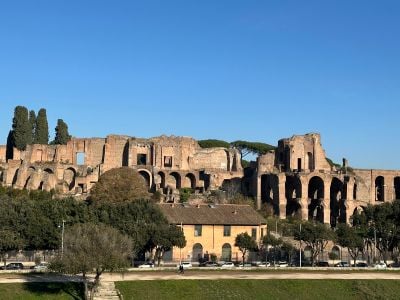
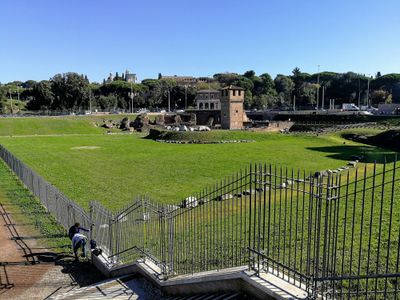
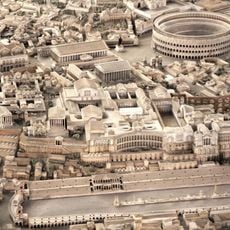
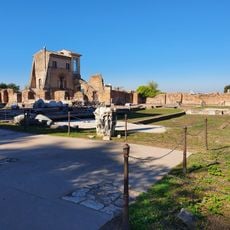
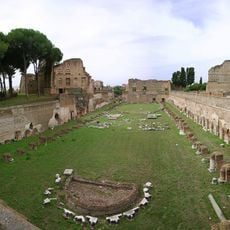
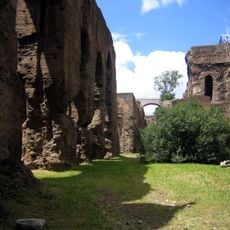
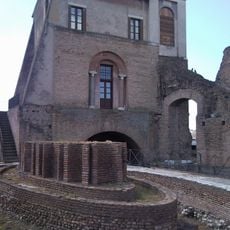
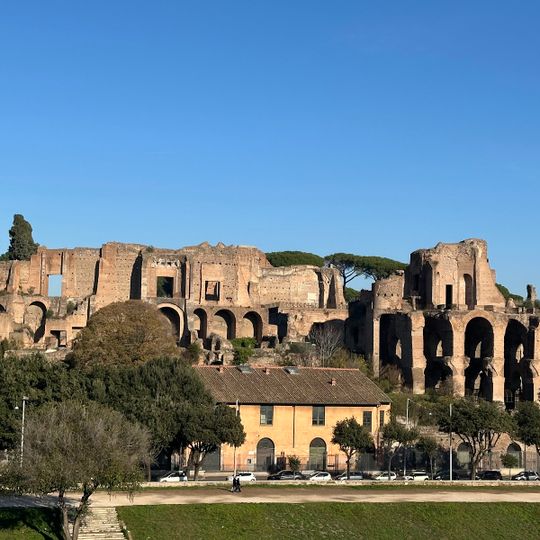
The Circus Maximus is a large open archaeological site and park in Rome, set in the valley between the Palatine and Aventine hills. The long oval outline of the ancient track is still clearly visible, and at one end, sections of brick seating from the imperial period remain standing.
The valley between the Palatine and Aventine hills was used as a racing ground during the early Roman Republic, long before any permanent structure was built. Julius Caesar ordered the first stone construction, and after several fires, Emperor Trajan rebuilt much of it in the form seen today.
The track was once divided among four racing teams, each identified by a color: green, blue, red, or white. Fans would sit in different sections of the stands depending on which team they supported, much like in a modern sports stadium.
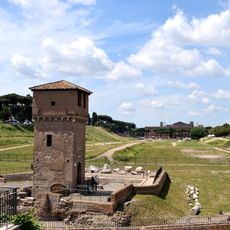
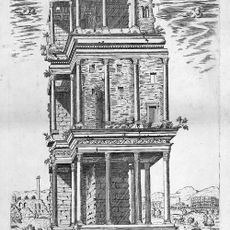
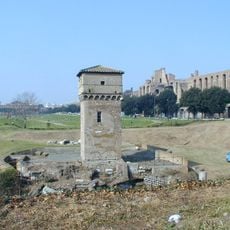
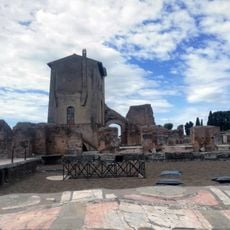
The open park area is freely accessible from all sides, but the archaeological section with the preserved seating requires an entry ticket. A good way to understand the full size of the site is to climb the medieval tower at the southeastern end, which offers a wide view.
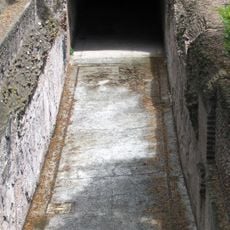
Archaeologists found that the ground level today sits about 16 feet (5 meters) above the original ancient track, showing just how many layers of history have built up over the centuries. Beneath the current surface, passages and small shop spaces that once lined the track are still preserved underground.
The community of curious travelers
AroundUs brings together thousands of curated places, local tips, and hidden gems, enriched daily by 60,000 contributors worldwide.