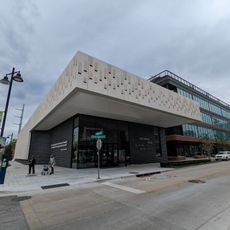
Oil Capital Historic District, Historic district in downtown Tulsa, United States.
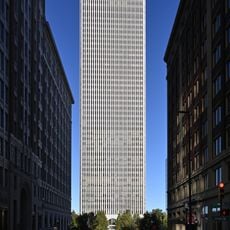
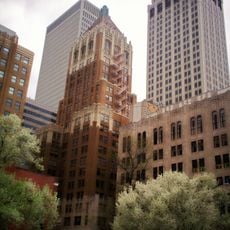
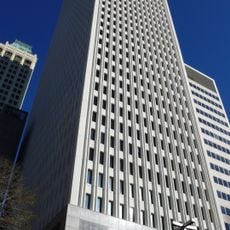
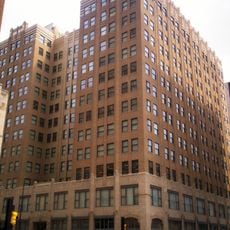
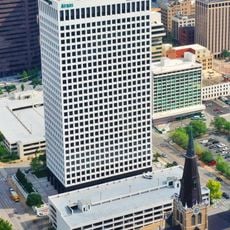
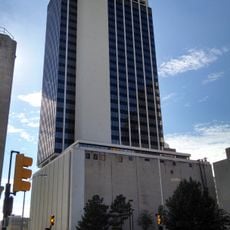
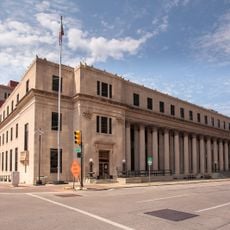
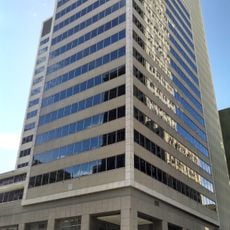
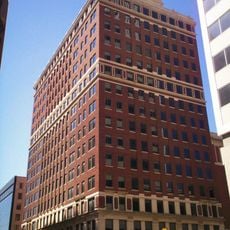
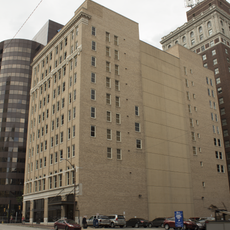
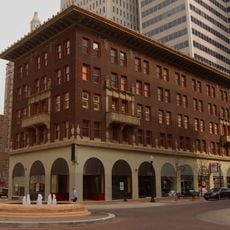
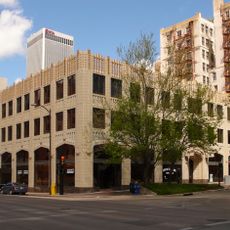
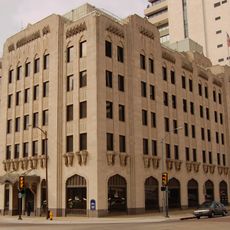
The Oil Capital Historic District is a downtown Tulsa area bounded by 3rd and 7th Streets and Cincinnati and Cheyenne Avenues. It contains approximately 72 structures that document the development of the oil industry during its peak period.
The district received recognition on the National Register of Historic Places in 2010, marking Tulsa's role as a major oil industry center in the 20th century. The buildings were constructed mainly during boom periods when oil companies demonstrated their power and wealth through architecture.
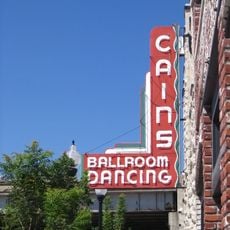
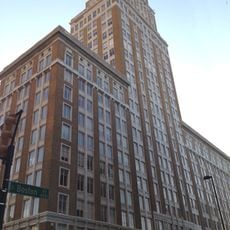
Buildings display architectural styles from Art Deco to Italianate, reflecting the artistic tastes of the oil boom era. Walking through the streets, you can see how business owners expressed their wealth and ambitions in carefully designed facades.
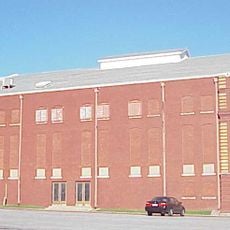
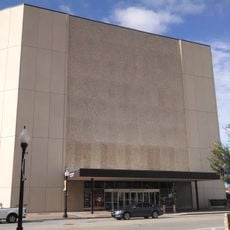
The district can be explored on foot since the buildings are concentrated in a compact area easy to navigate. Many structures are visible from outside, and some still function as businesses or are undergoing renovation projects you can observe while visiting.
Of the 72 resources counted in the National Register application, 40 are classed as contributing, 18 as non-contributing, and 14 had already been listed individually. Contributing buildings had to be built between 1910 and 1967, tied to the oil business, and unaltered in character. The Tulsa Club Building, an 11-story Bruce Goff design of 1927, was abandoned by its club in 1994 and later suffered deliberate fires.
The community of curious travelers
AroundUs brings together thousands of curated places, local tips, and hidden gems, enriched daily by 94,457 contributors worldwide.