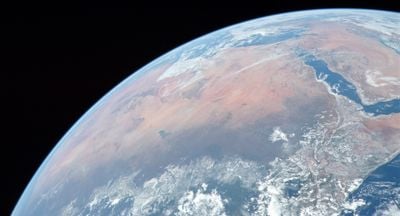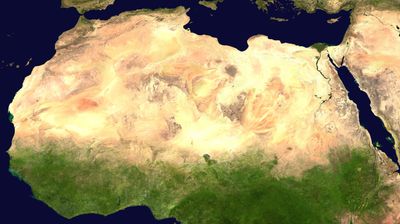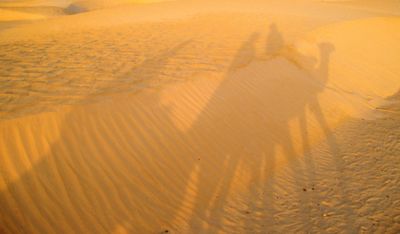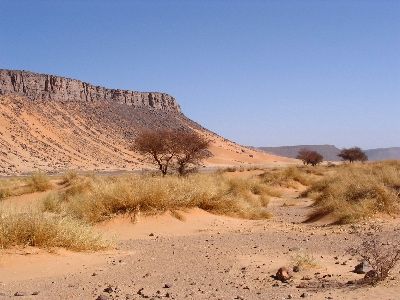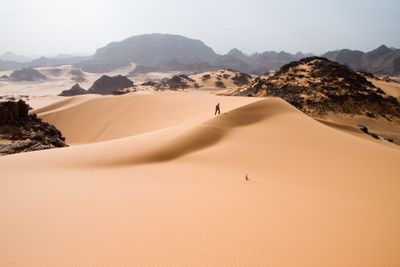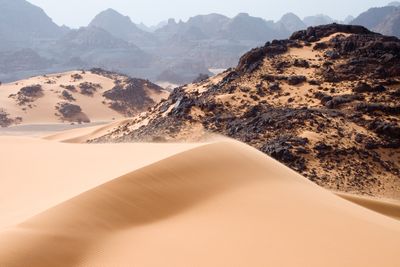
Sahara, Largest hot desert spanning across North Africa.
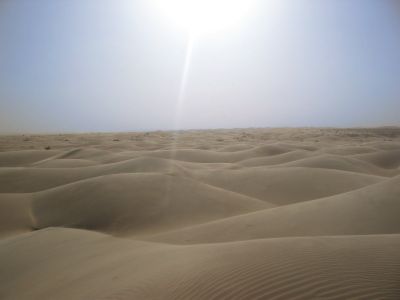
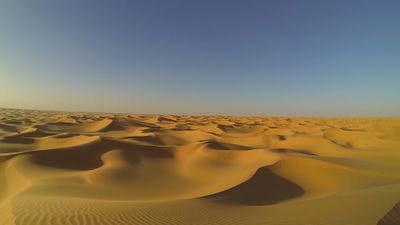
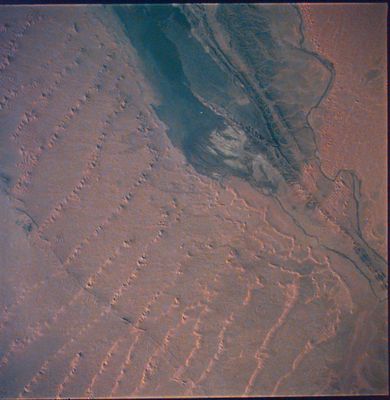
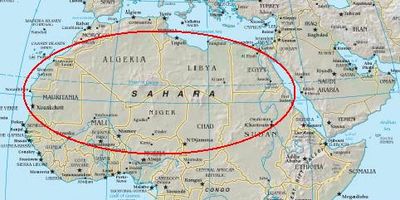
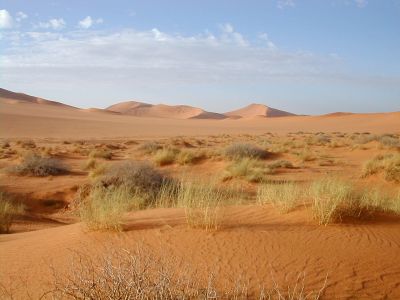
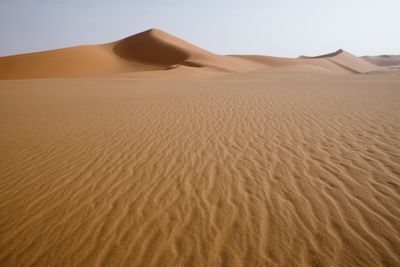
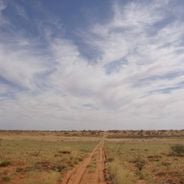
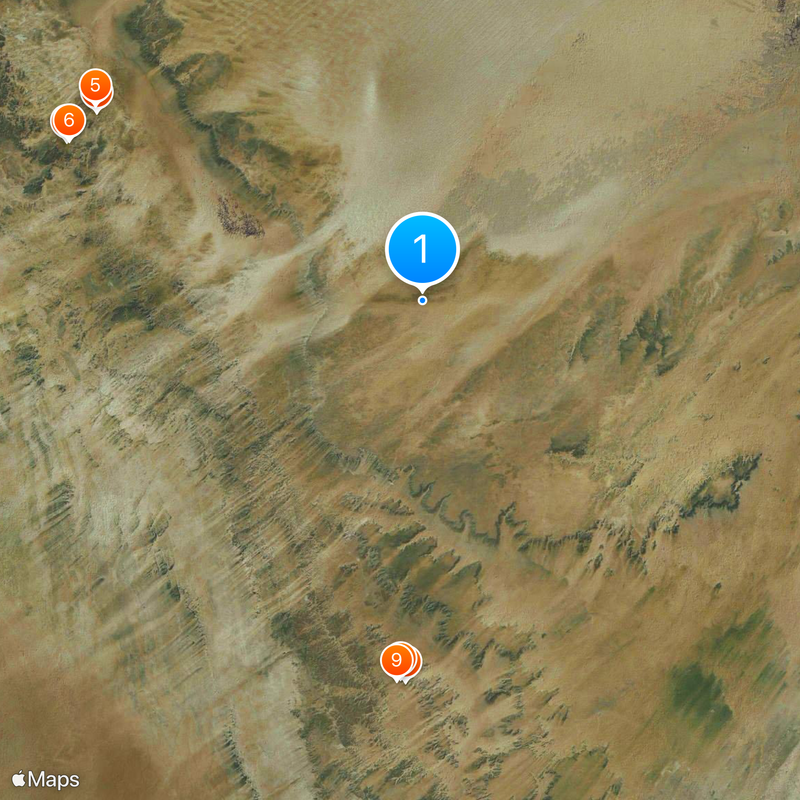
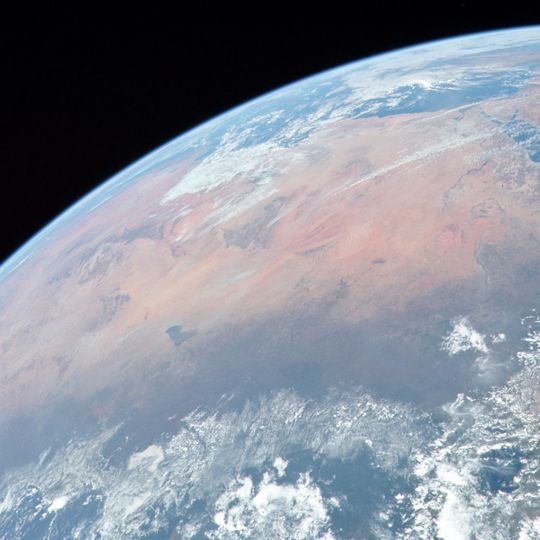
The Sahara covers approximately 9.2 million square kilometers across North Africa, featuring vast sand dunes, rocky plateaus, gravel plains, and mountain ranges like the Ahaggar and Tibesti, with extreme temperature variations between scorching days and cool nights.
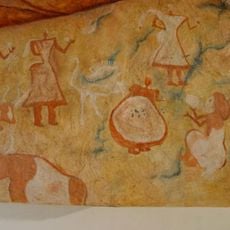
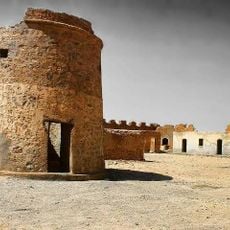
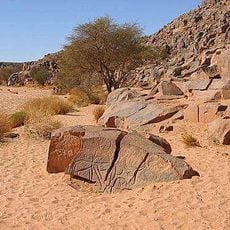
Ancient trans-Saharan trade routes connected North Africa with sub-Saharan regions, facilitating the exchange of gold, salt, and spices through caravan networks, while rock art and archaeological sites reveal human habitation dating back thousands of years.
Indigenous groups including the Tuareg and Berbers have inhabited the desert for centuries, developing nomadic lifestyles, traditional crafts, and unique languages adapted to survive in the harsh environment, with knowledge passed down through generations.
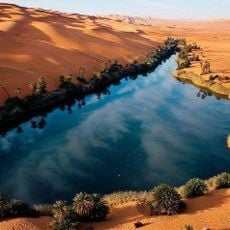
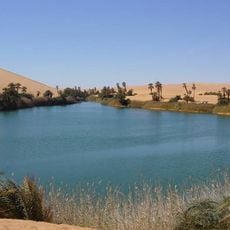
The desert features over 90 major oases sustained by underground aquifers and two permanent rivers, the Nile and Niger, which provide essential water sources for local communities and support limited agriculture in otherwise arid conditions.
The Sahara alternates between desert and vegetated landscape over thousands of years due to cyclical climate patterns, with evidence showing it supported lakes, rivers, and diverse wildlife during wetter periods in its geological history.
The community of curious travelers
AroundUs brings together thousands of curated places, local tips, and hidden gems, enriched daily by 90,800 contributors worldwide.