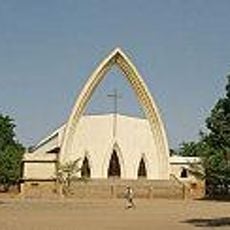
Chad, Landlocked country in Middle Africa.
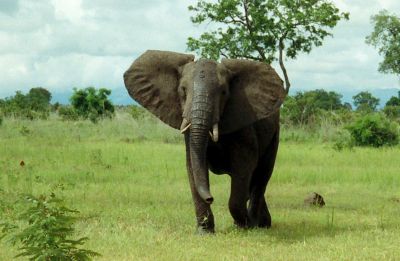
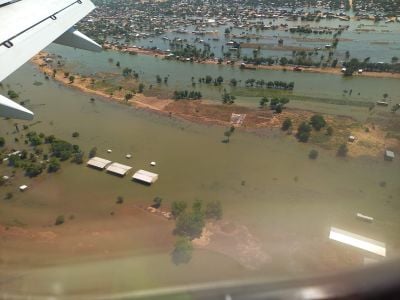
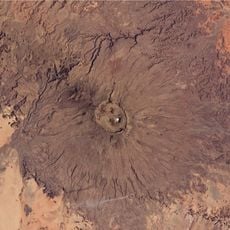
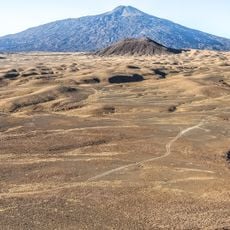
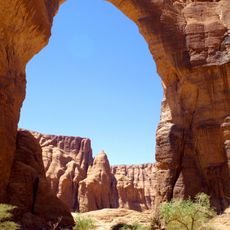
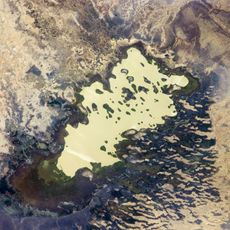
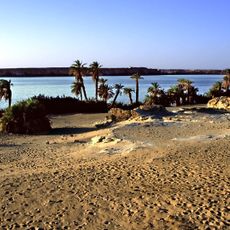
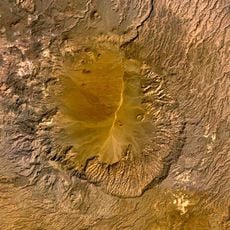
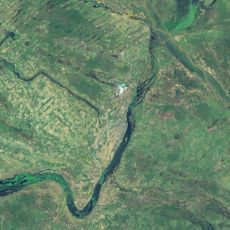
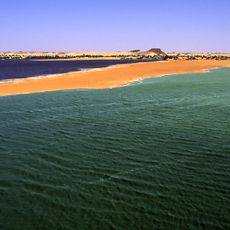
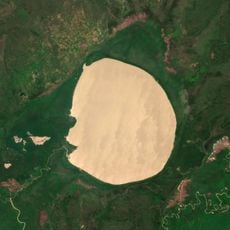
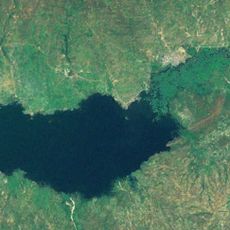
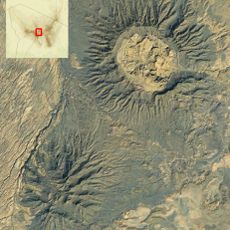
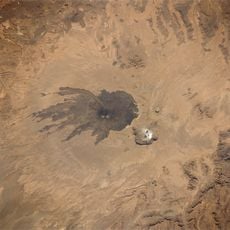
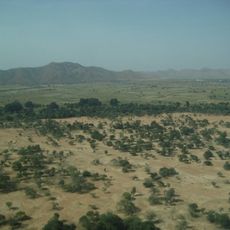
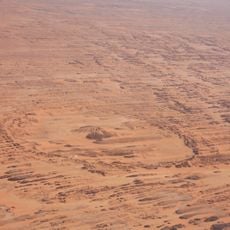
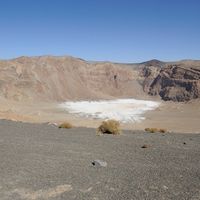
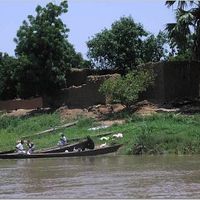
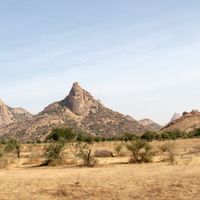
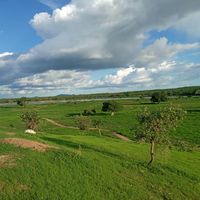
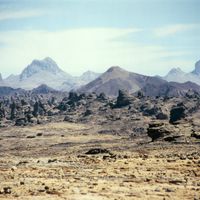
The country stretches from Sahara dunes in the north through semi-arid plains to southern savannas and includes the wetlands of Lake Chad along with the volcanic peaks of the Tibesti range. These areas range from rock formations and sand seas to grasslands and marshy shores, where the terrain shifts between extreme dryness and seasonal flooding.
Colonial administration started in 1900 when France set up military posts across the region and granted independence in 1960 after six decades of external control over local governance. Since independence, internal conflicts and changes in power have shaped the political development of the country, while droughts and security issues continue to affect stability.
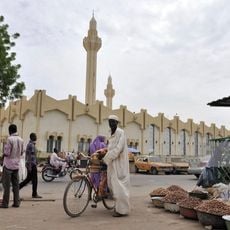
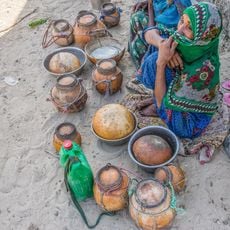
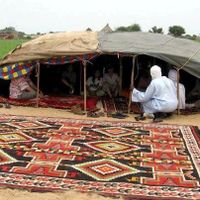
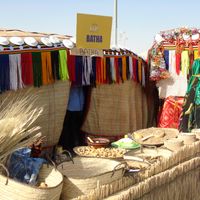
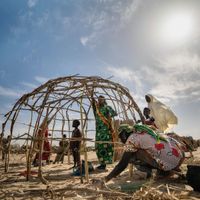
More than 200 ethnic groups maintain their own customs and speak different languages, while Arabic and French serve in government offices. The population divides between nomadic communities in the north and settled farming groups in the south, each preserving their own daily rhythms and ways of life.
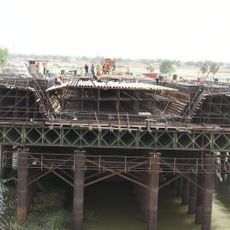
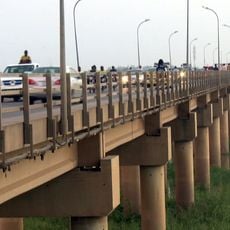
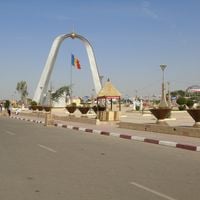
Travelers need visas arranged before arrival through diplomatic missions, with entry points at N'Djamena International Airport and land crossings from neighboring countries at supervised border posts. Infrastructure is limited in rural areas, so trips outside the capital require careful preparation and awareness of road conditions.
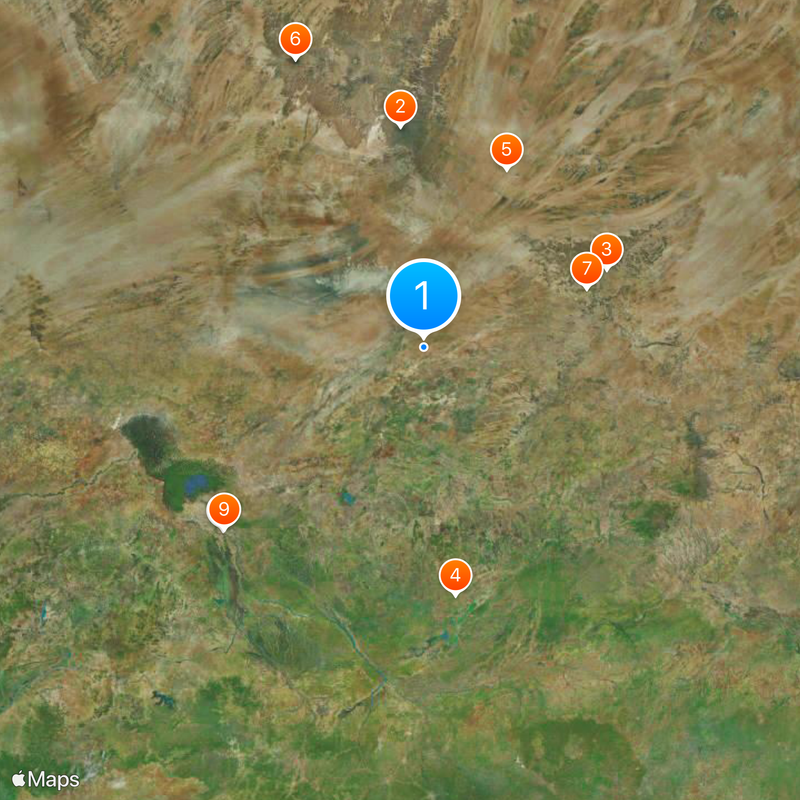
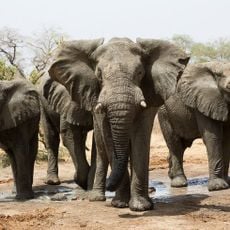
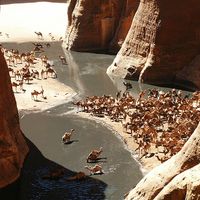
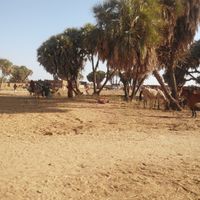
The Guelta d'Archei oasis holds a permanent water source in the northern desert and supports West African crocodile populations isolated from other habitats for thousands of years. These crocodiles have adapted to caves and rock pools and form one of the northernmost crocodile gatherings in the world.
The community of curious travelers
AroundUs brings together thousands of curated places, local tips, and hidden gems, enriched daily by 90,921 contributors worldwide.