Tell Shemshara, Archaeological tell near Lake Dukan, Iraq
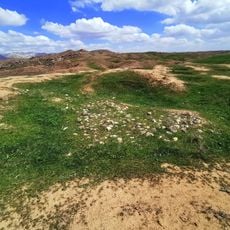
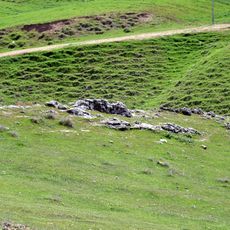
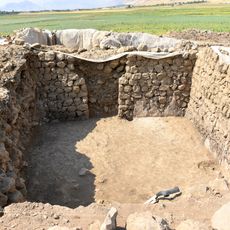
Tell Shemshara is an archaeological site along the Little Zab River in northern Iraq, consisting of a high central mound with an extended lower section beneath it. The location contains layers of occupation from different periods, ranging from around the 5th through the 2nd millennium BCE.
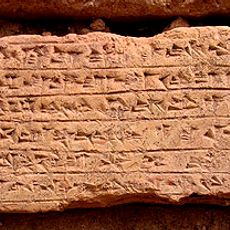
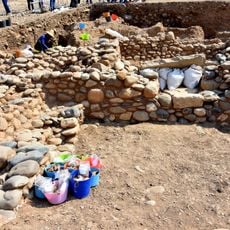
Danish archaeologists began excavations in the 1950s and uncovered hundreds of clay tablets containing administrative records and correspondence. These discoveries shed light on early systems of written record-keeping and communication in the region.
The settlement served as a regional capital during the Middle Bronze Age, revealing how governance and daily administration worked in this part of Mesopotamia. The remains show traces of how people organized trade and resources in this strategic location along the river.
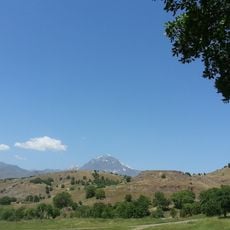
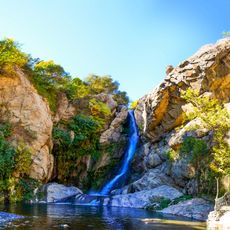
The site is situated in a mountainous region and is best explored on foot to understand the different elevations of the mound properly. Comfortable shoes and plenty of water are advisable, as the sun can be intense and shade is limited across the open terrain.
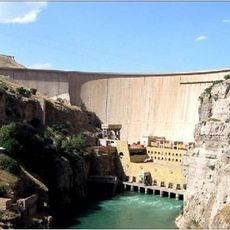
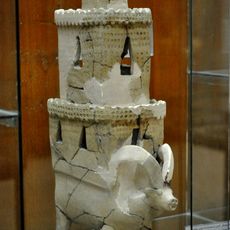
The location was submerged by a reservoir for decades, which preserved artifacts like stone tools, pottery, and weapons from weathering in an unusual way. This water-based conservation makes the finds particularly valuable for understanding ancient craftsmanship techniques.
The community of curious travelers
AroundUs brings together thousands of curated places, local tips, and hidden gems, enriched daily by 60,000 contributors worldwide.