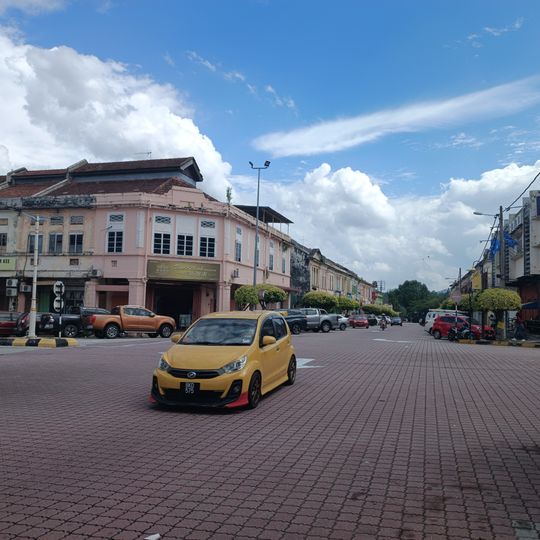
Kuala Kubu Bharu, human settlement in Malaysia
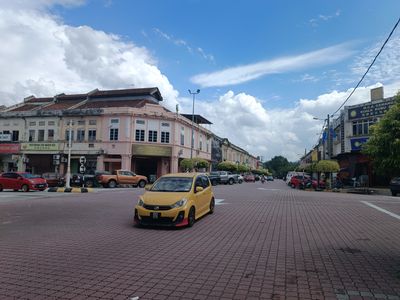
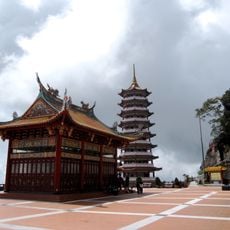
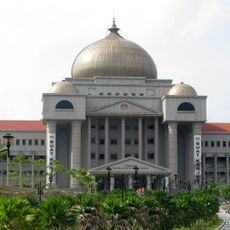
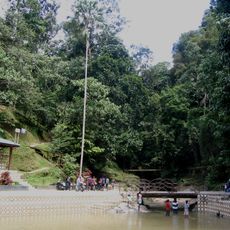
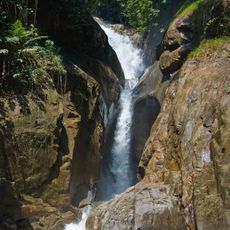
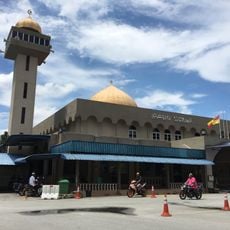
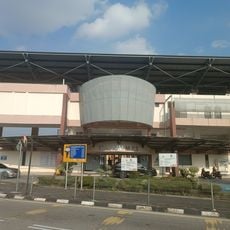
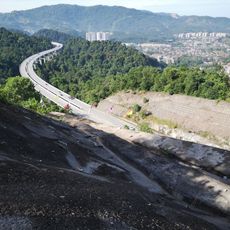
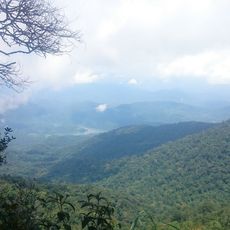
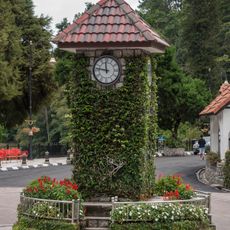
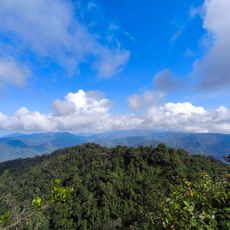
Kuala Kubu Bharu is a town in Selangor established in 1928 at the foothills of the Titiwangsa mountains after flooding destroyed an earlier settlement. The town combines colonial-era buildings with newer structures, surrounded by forested hills, rivers, and natural trails that connect to waterfalls and scenic viewpoints.
The town was established in 1928 following a catastrophic flood in 1883 that destroyed the original settlement, legend attributing the disaster to killing a sacred white crocodile. It was designed by Charles Reade and became Malaysia's first deliberately planned town with organized sections for commerce, residences, and government offices.
The name Kuala Kubu comes from a Malay word meaning fortress, reflecting its historical purpose as a fortified settlement. Today, street murals depict local legends like the White Crocodile and traditional foods, while residents celebrate festivals with music, dance, and food stalls that bring the community together throughout the year.
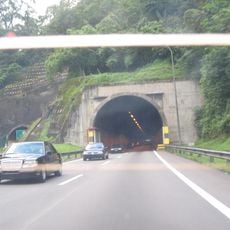
The town is easily accessible by bus and taxi, allowing visitors to explore the area at their own pace. Many small shops and vendors accept only cash, so carrying small change is helpful for purchases and local tips.
The town holds UNESCO World Heritage status under the Garden City category and was designed in 1925 as Malaysia's first intentionally planned urban layout with organized zones. This pioneering planning approach made it a model for urban development in the region.
The community of curious travelers
AroundUs brings together thousands of curated places, local tips, and hidden gems, enriched daily by 90,790 contributors worldwide.