Lauca, Stratovolcano in Putre, Chile
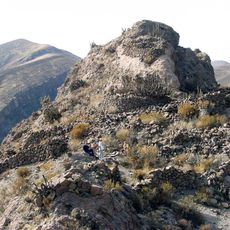
Lauca is a stratovolcano in the Central Volcanic Zone of the Andes rising to approximately 5,140 meters in elevation. Its structure includes a large caldera with a lava dome positioned at its northeastern rim.
The volcano formed during the Late Miocene period roughly 10.5 million years ago. A major ignimbrite eruption during the Late Pliocene caused its caldera to collapse.
The name comes from the Aymara language and refers to water grass found in the surrounding high-altitude environment. Local communities connect this place to the broader landscape and its natural features.
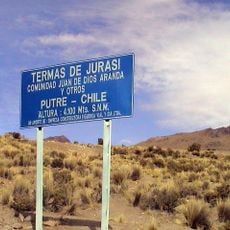
This site sits at a significant elevation and requires preparation for visitors unfamiliar with high-altitude conditions. The location is remote, so checking access routes and facilities beforehand is important.
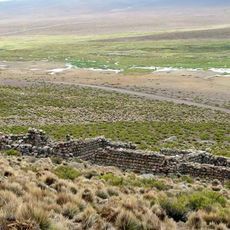
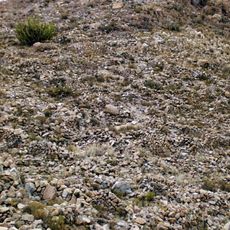
The ignimbrite deposits from this volcano reach thicknesses around 150 meters and spread across the surrounding regions. These massive rock layers shape the terrain today and visibly influence the local geology.
The community of curious travelers
AroundUs brings together thousands of curated places, local tips, and hidden gems, enriched daily by 91,702 contributors worldwide.