Bolivia–Peru border, international border
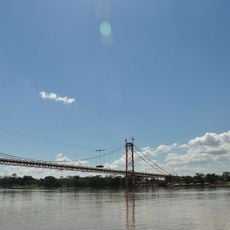
The Bolivia-Peru border is a land boundary with several crossing points running through mountainous and rural terrain. The Desaguadero crossing is the busiest route connecting La Paz with Puno over a short bridge, while the Yunguyo crossing offers a less traveled alternative with ferry rides across Lake Titicaca.
The border emerged after both countries gained independence in the early 1800s and was established through various treaties and agreements. This region has long served as an important trade corridor in the Andes and evolved into a modern crossing point for tourists and local people.
The name Desaguadero means 'water outlet' and refers to the river flowing at this crossing point. Here you see daily movement of people between countries, and local markets display the trading habits and connections that shape this border region.
Travelers need a valid passport with at least six months of remaining validity and should check visa requirements before departing. It is wise to carry cash in Bolivianos and Peruvian Soles since ATMs at the border are rare and credit cards are often not accepted.
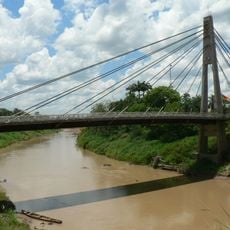
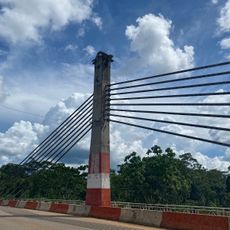
The Desaguadero crossing is just a two-minute walk over a pedestrian bridge between the immigration offices of both countries, making it one of the quickest border crossings in South America. The town's name refers to the water flow between Lake Titicaca and the Desaguadero River, highlighting the geographic peculiarity of this border point.
The community of curious travelers
AroundUs brings together thousands of curated places, local tips, and hidden gems, enriched daily by 92,633 contributors worldwide.