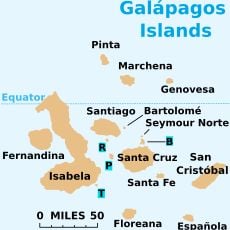
Rábida Island, Volcanic island in Galápagos archipelago, Ecuador
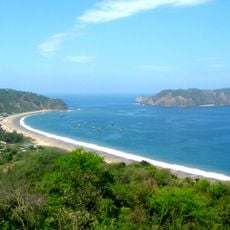
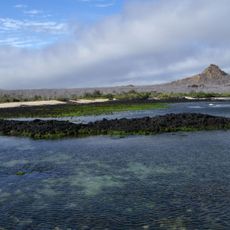
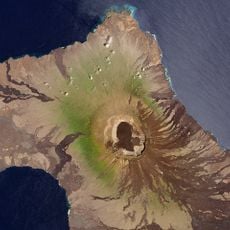
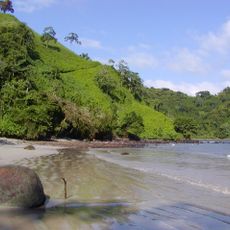
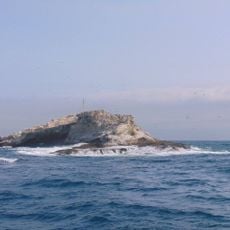
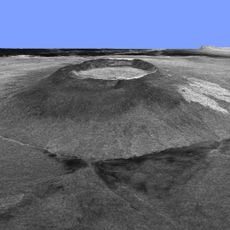
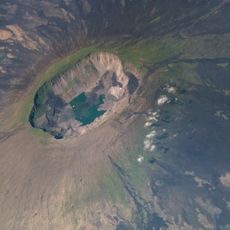
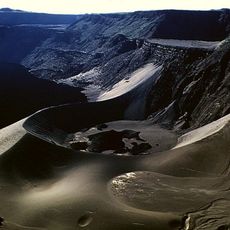
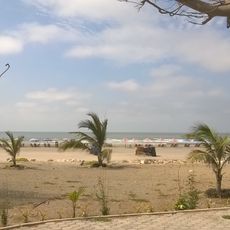
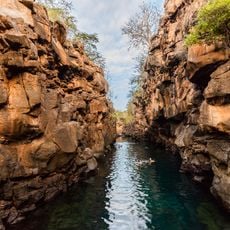
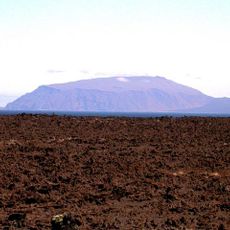
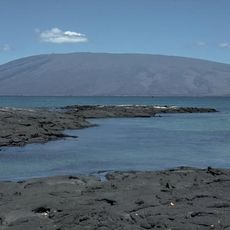
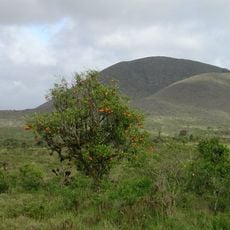
Rábida Island is a volcanic formation in the Galápagos archipelago known for its distinctive red-hued rock formations and dark sand beaches. The island features rocky outcrops and coastal cliffs shaped by ancient lava flows.
The island was initially named by British naval explorers but was later renamed to honor a Spanish monastery with Columbus connections. This dual naming reflects the layers of European exploration in the Galápagos.
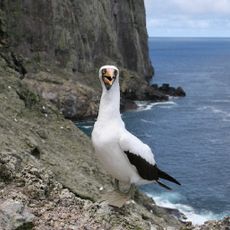
The name Rábida refers to the La Rábida Monastery, where Christopher Columbus left his son before sailing to the Americas; the earlier English name Jervis honoured the 18th-century admiral John Jervis. Visitors reach the island by tourist cruise, drawn by flamingos in a saltwater lagoon near the beach, where pelicans and boobies nest, and by nine recorded finch species.
Access to the island is by boat excursion only, typically departing from nearby settlements on other Galápagos islands. Plan visits during calmer sea conditions, as landing requires boating to sandy shores.
Rábida's lava is unusually iron-rich, giving the whole island a reddish tone. Its volcanic activity is among the most varied in the archipelago. In January 2011 park staff, helped by Island Conservation, removed invasive rodents to benefit Galápagos penguins and Scalesia stewartii, a tree-forming daisy.
The community of curious travelers
AroundUs brings together thousands of curated places, local tips, and hidden gems, enriched daily by 92,618 contributors worldwide.