Galápagos National Park, National park in Galápagos Islands, Ecuador
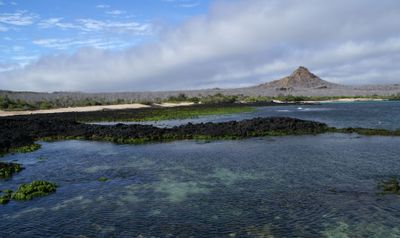
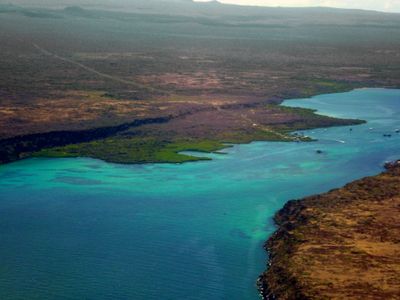
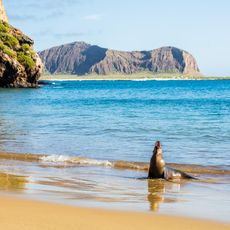
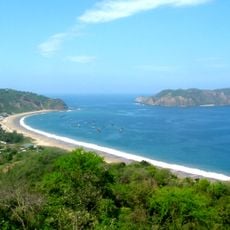
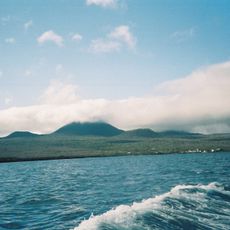
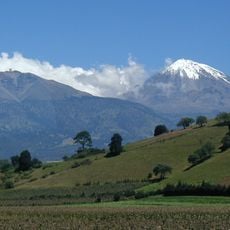
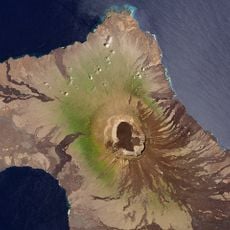
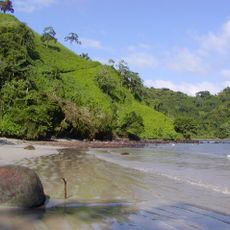
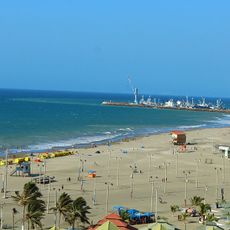
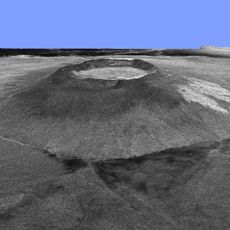
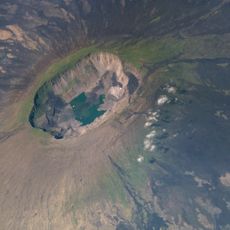
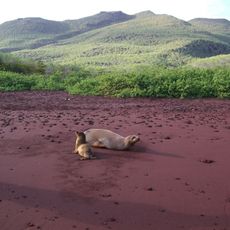
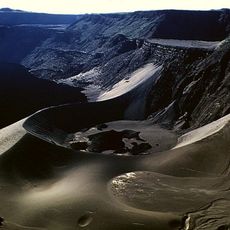
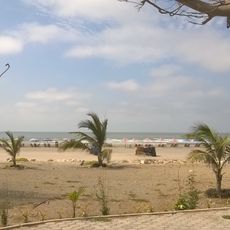
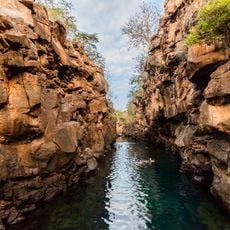
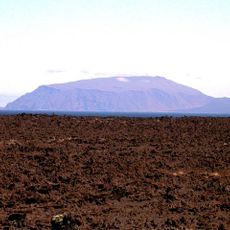
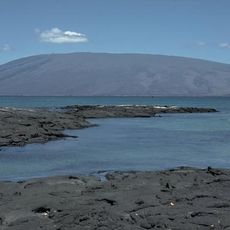
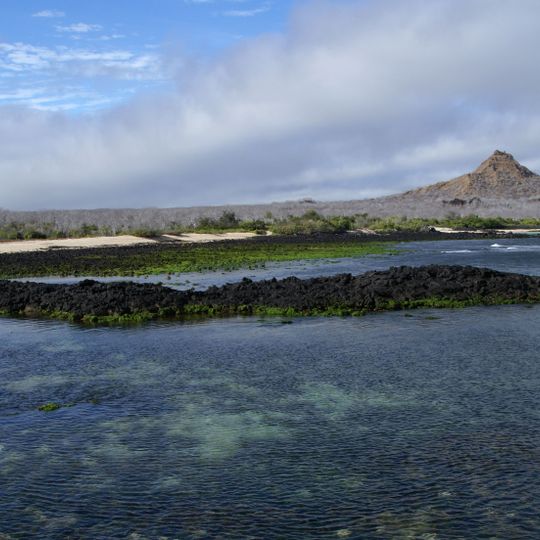
Galápagos National Park covers almost the entire archipelago, with 13 main islands and many smaller islets scattered across more than 7,800 square kilometers (3,000 square miles). The landscape ranges from black lava fields and sandy beaches to green highlands, where different climate zones meet in a small area.
Ecuador established the protected area in 1959, exactly one century after Charles Darwin published his work on evolution. Two decades later, UNESCO recognized the scientific importance of these islands with World Heritage status.
The name comes from the giant tortoises that reminded Spanish sailors of horse saddles. Visitors today can still observe these ancient creatures moving slowly through the volcanic landscape, a living connection to the archipelago's discovery.
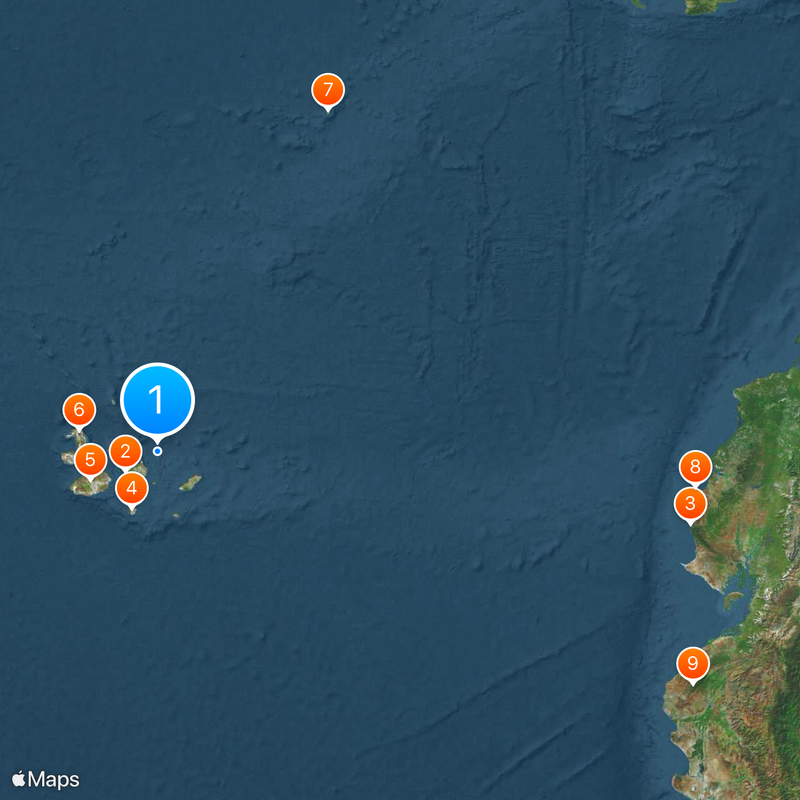
Visitors need a transit card and must pay an entrance fee upon arrival. Direct flights from mainland Ecuador reach the islands of Baltra and San Cristóbal, from where boat connections run to the other islands.
Marine iguanas live only on these islands and dive into the ocean to feed on algae. This ability makes them the only lizards in the world that forage for food in the sea.
The community of curious travelers
AroundUs brings together thousands of curated places, local tips, and hidden gems, enriched daily by 91,385 contributors worldwide.