Galapagos Islands, Archipelago in the Pacific Ocean, Ecuador
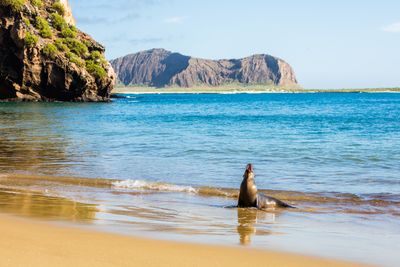
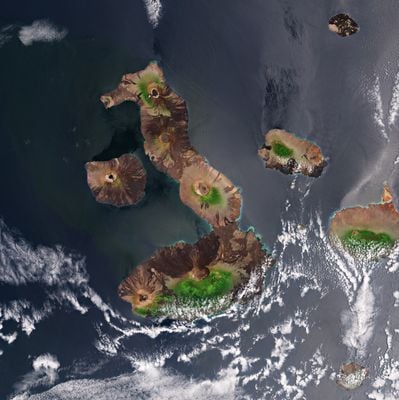
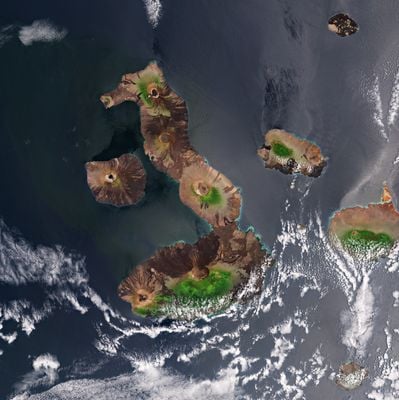
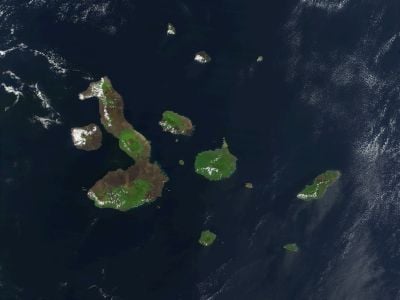
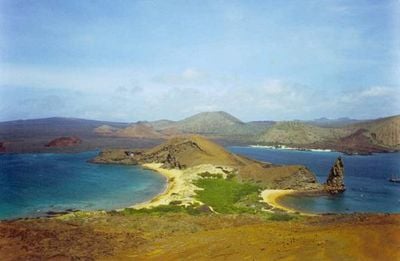
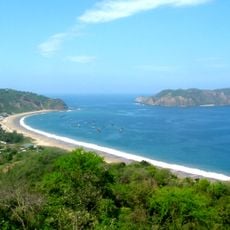
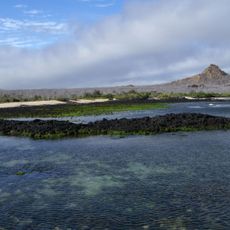
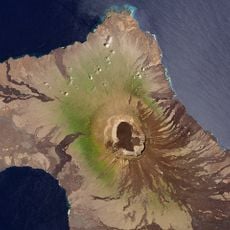
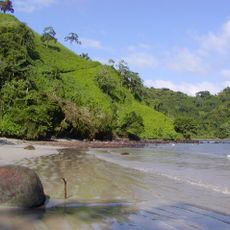
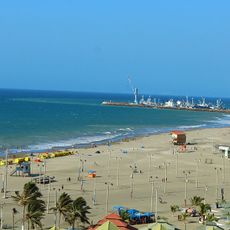
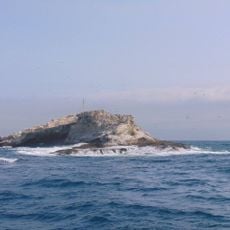
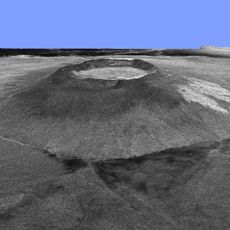
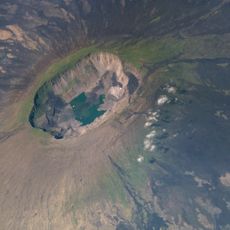
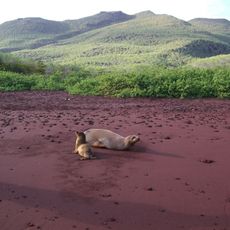
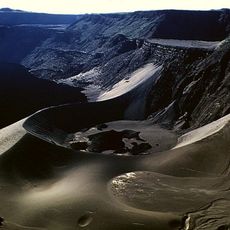
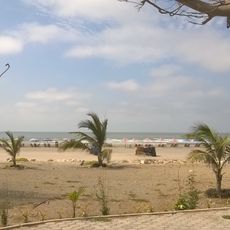
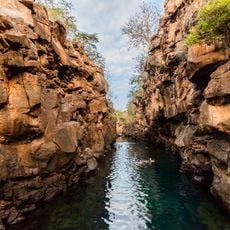
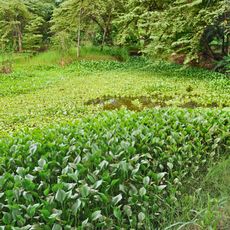
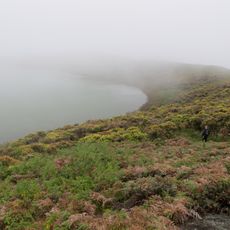
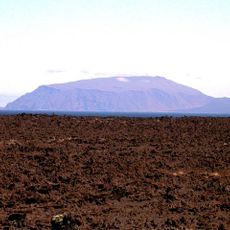
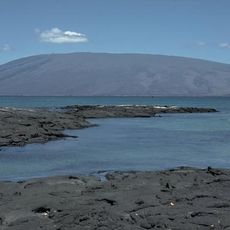
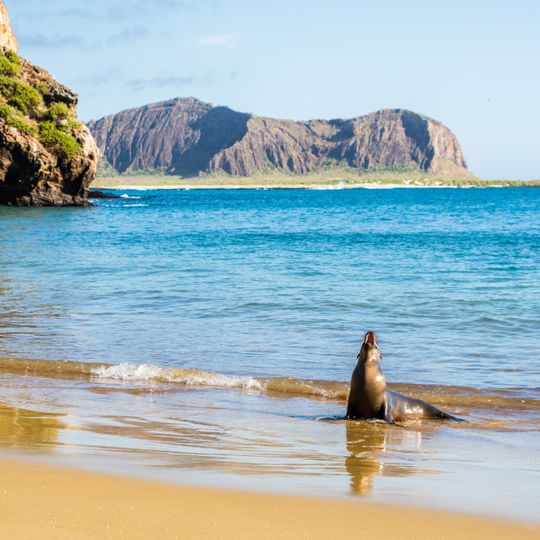
The Galapagos Islands are an archipelago of 18 main islands, several smaller ones, and many rocky islets in the Pacific Ocean, belonging to Ecuador's Galápagos Province. Some islands have coastlines of black lava rock, others have sandy beaches, and the interiors range from active volcanoes to dry scrubland and green highland forests.
Spanish bishop Tomás de Berlanga reached the islands by accident in 1535 when his ship drifted off course. They were later used as a hideout by pirates, claimed by various nations, and finally annexed by Ecuador in 1832.
On Floreana Island, a wooden barrel has served as an informal post office since the 18th century, a tradition started by sailors passing through. Visitors today still leave postcards inside and take others to deliver by hand, continuing the habit without stamps or postage.
The islands are reached by flights to either Baltra or San Cristóbal airports, both with daily connections from mainland Ecuador. On arrival, luggage is inspected to prevent plants or animals from being brought in that could harm local wildlife.
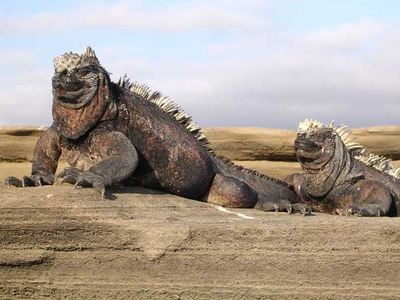
Three ocean currents meet around the islands, one cold from the south, one warm from the north, and one deep from the west, which is why penguins and tropical sea turtles can share the same beach. This mix of waters caught Darwin's attention during his 1835 visit and helped shape his thinking about how species change over time.
The community of curious travelers
AroundUs brings together thousands of curated places, local tips, and hidden gems, enriched daily by 90,754 contributors worldwide.