Surkh Kotal, Archaeological site in Baghlan Province, Afghanistan.
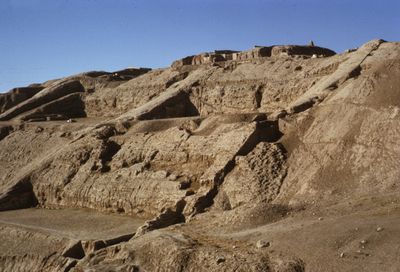
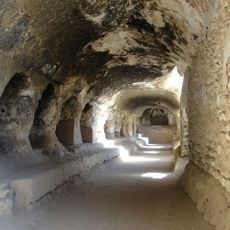
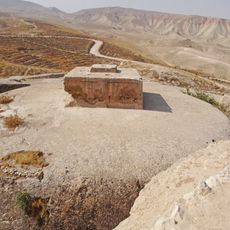
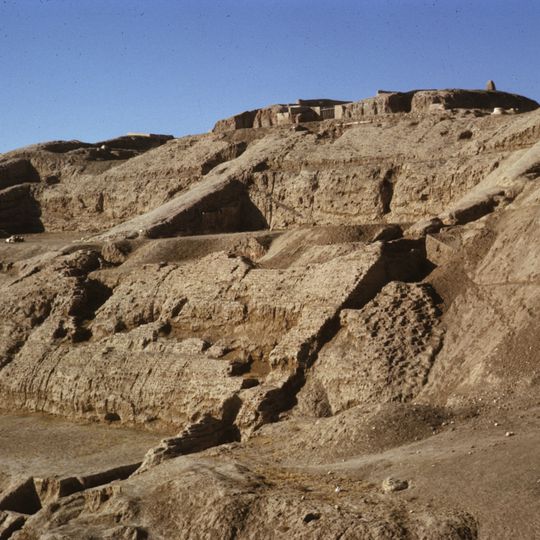
Surkh Kotal is an archaeological site on a plateau in northern Afghanistan where the remains of temples, structures, and decorative elements from the Kushan period are visible. The excavations reveal the foundations of ancient buildings as well as columns and capitals that blend Greek and local building styles.
The site was extensively excavated by French archaeologists between 1952 and 1966, uncovering temples, statues, and inscriptions of early Kushan emperors. These discoveries document an important chapter of ancient history when Hellenistic influence reached Central Asia.
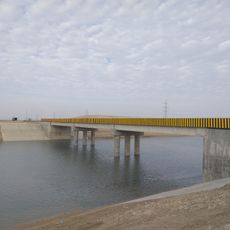
The inscriptions here show the earliest use of the Bactrian language written in Greek letters, revealing records of ancient irrigation systems and royal decrees. These texts offer insight into daily life during the Kushan period and demonstrate how Greek and Eastern cultures intermingled.
The site lies in a remote region and requires prior arrangements for visits, especially given the current local conditions. Visitors should check the latest information about access and safety conditions in the area before planning a trip.
The site's modern name was given by the French excavation team led by M. Schlumberger; it is not the ancient name but the name of the hills it sits on. A Bactrian word in a fragment found in situ, bagolaggo, may echo the nearby city of Baghlan.
The community of curious travelers
AroundUs brings together thousands of curated places, local tips, and hidden gems, enriched daily by 92,658 contributors worldwide.