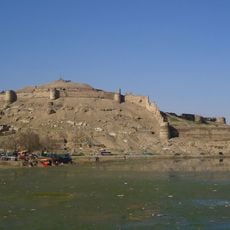
Bagram Hoard, Archaeological site in Bagram, Afghanistan
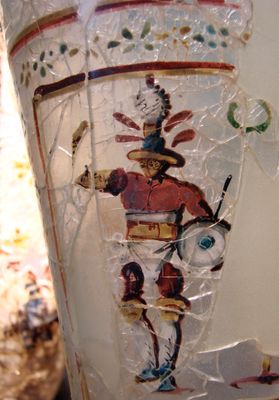
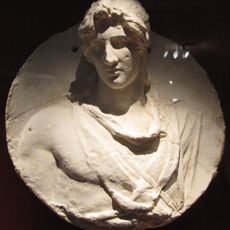
The excavation site in Bagram contained two sealed chambers holding over one thousand decorative ivory plaques, bronze items, and glass vessels from antiquity. This collection demonstrates the material wealth and sophisticated craftsmanship of the ancient city during the early Imperial period.
French archaeologists discovered this collection between 1936 and 1940, revealing a major cache of artifacts from the first and second centuries CE. The findings demonstrate that Bagram served as an important trading hub along ancient Silk Road routes.
The artifacts reveal how Greek, Indian, and Central Asian artistic traditions came together through ancient trade networks that connected distant regions.
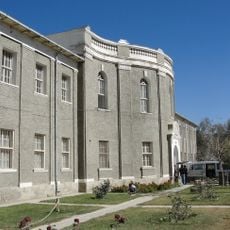
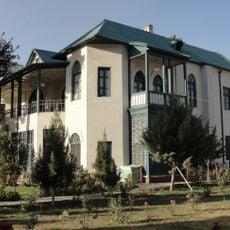
The collection is now housed in the National Museum of Afghanistan in Kabul, where a dedicated section displays these recovered items. Visitors will find educational materials that explain the significance of this archaeological discovery.
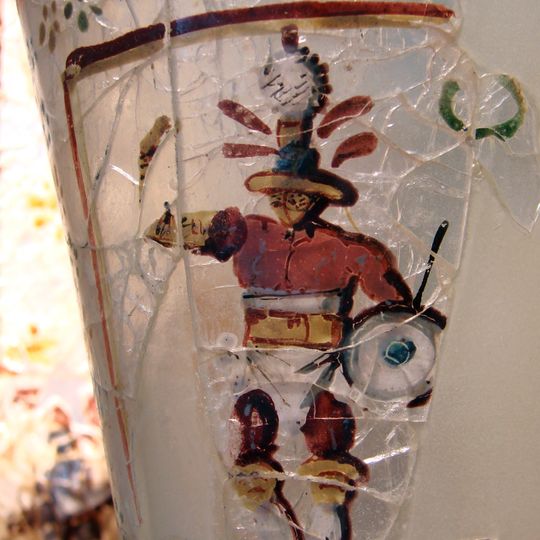
The site yielded the largest known collection of ancient enameled glass, including a rare blue amphora and a fish-shaped glass vial. These glazed pieces come from a period when such glassmaking techniques were uncommon and mostly concentrated in Mediterranean regions.
The community of curious travelers
AroundUs brings together thousands of curated places, local tips, and hidden gems, enriched daily by 91,372 contributors worldwide.