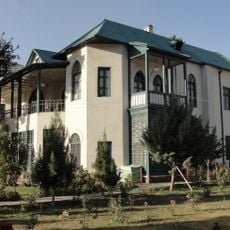
Gardens of Babur, Mughal garden and tomb complex in Guzargah, Kabul, Afghanistan
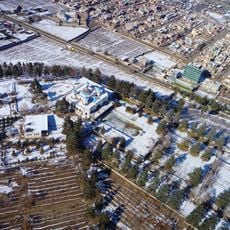
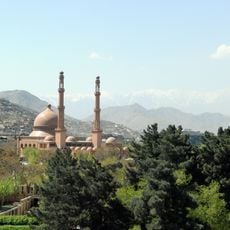
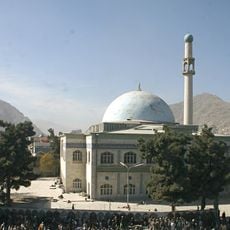
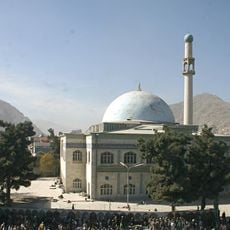
The Gardens of Babur spread over 16 terraced levels on a hillside with water channels linking each tier and lined by fruit trees and footpaths. A white marble mosque stands on one of the upper levels, offering an overlook of the entire designed landscape.
Babur took Kabul from the Arghun dynasty in 1504 and redeveloped the site as a summer guest house; his memoirs, the Baburnama, describe the avenue garden. Jahangir made a pilgrimage in 1607 and ordered a prayer platform and inscribed headstone at the grave. Shah Jahan's 1638 visit brought a marble screen around the tomb and a mosque on the terrace below.
The garden's name, Bagh-e Babur, links it to Zahiruddin Muhammad Babur, who took Kabul in 1504 and used the site for summer gatherings. The Hindi account notes the central channel divides the grounds, with one side reserved for families and the other for young men; picnicking families sit on the grass beside it.
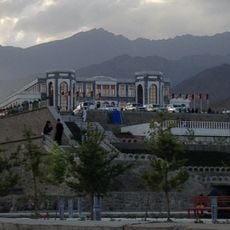
The axis climbs from the lower stone platform up the terraces, so walking from the bottom channel to the mosque terrace means a steady ascent on stepped paths. The garden lies in Guzargah, District 5, with Chihil Sutun to the south and the Kabul Zoo to the northwest. Up to one million visitors come each year, so paths can be crowded on holidays.
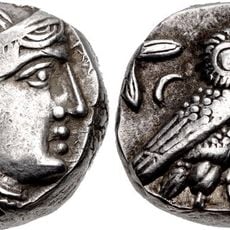
Archaeological finds show this site was already in use during the 3rd century BC, long before Mughal rulers made it their burial place. This continuity over more than two millennia makes it one of the oldest continuously used garden areas in the region.
The community of curious travelers
AroundUs brings together thousands of curated places, local tips, and hidden gems, enriched daily by 92,634 contributors worldwide.