Takht-e Rostam, Buddhist stupa and archaeological site in Samangan, Afghanistan
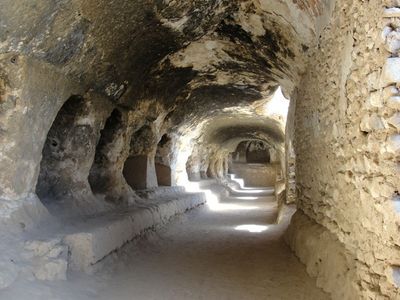
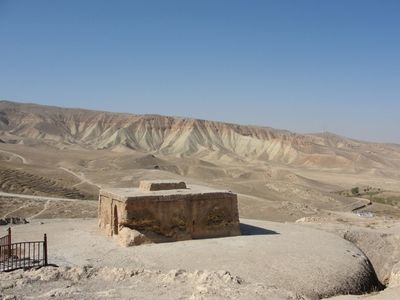
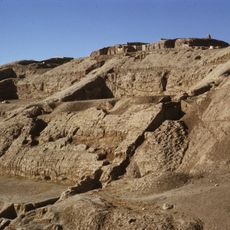
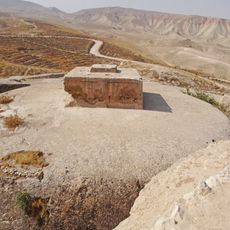
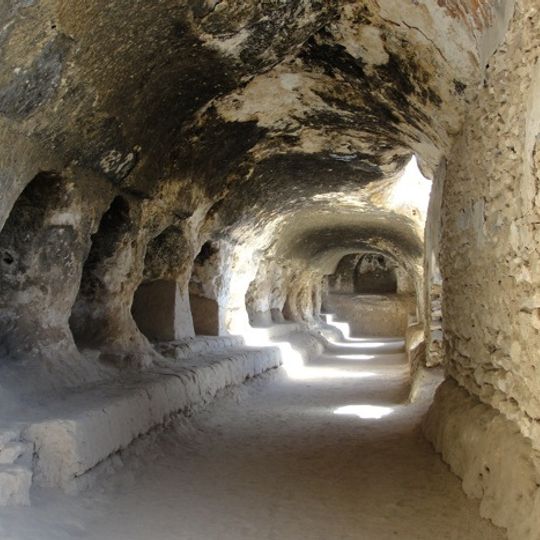
Takht-e Rostam is a Buddhist stupa and archaeological site in Samangan, Afghanistan, with five chambers carved entirely from bedrock. The central stupa is surrounded by a circular trench that descends about 8 meters into the ground.
The Buddhist monastery complex was built during the Kushano-Sasanian Kingdom period in the 4th century, marking a major era of Buddhism in Afghanistan. This era shows how the religion spread along trade routes through the region.
The site contains meditation caves where Buddhist monks performed religious practices and walked around the central stupa in a clockwise direction. This practice shows how pilgrims and the faithful engaged in spiritual rituals connected to the natural rock formation.
The site lies about 3 kilometers southwest of Samangan town and is reachable by taxi. Visitors should expect uneven ground and ongoing archaeological work that may limit access to certain areas.
The stupa was built in an unusual way by carving downward into the earth rather than constructed upward, making it a rare archaeological find. At its top sits a stone harmika structure that gives the monument its distinctive appearance.
The community of curious travelers
AroundUs brings together thousands of curated places, local tips, and hidden gems, enriched daily by 90,753 contributors worldwide.